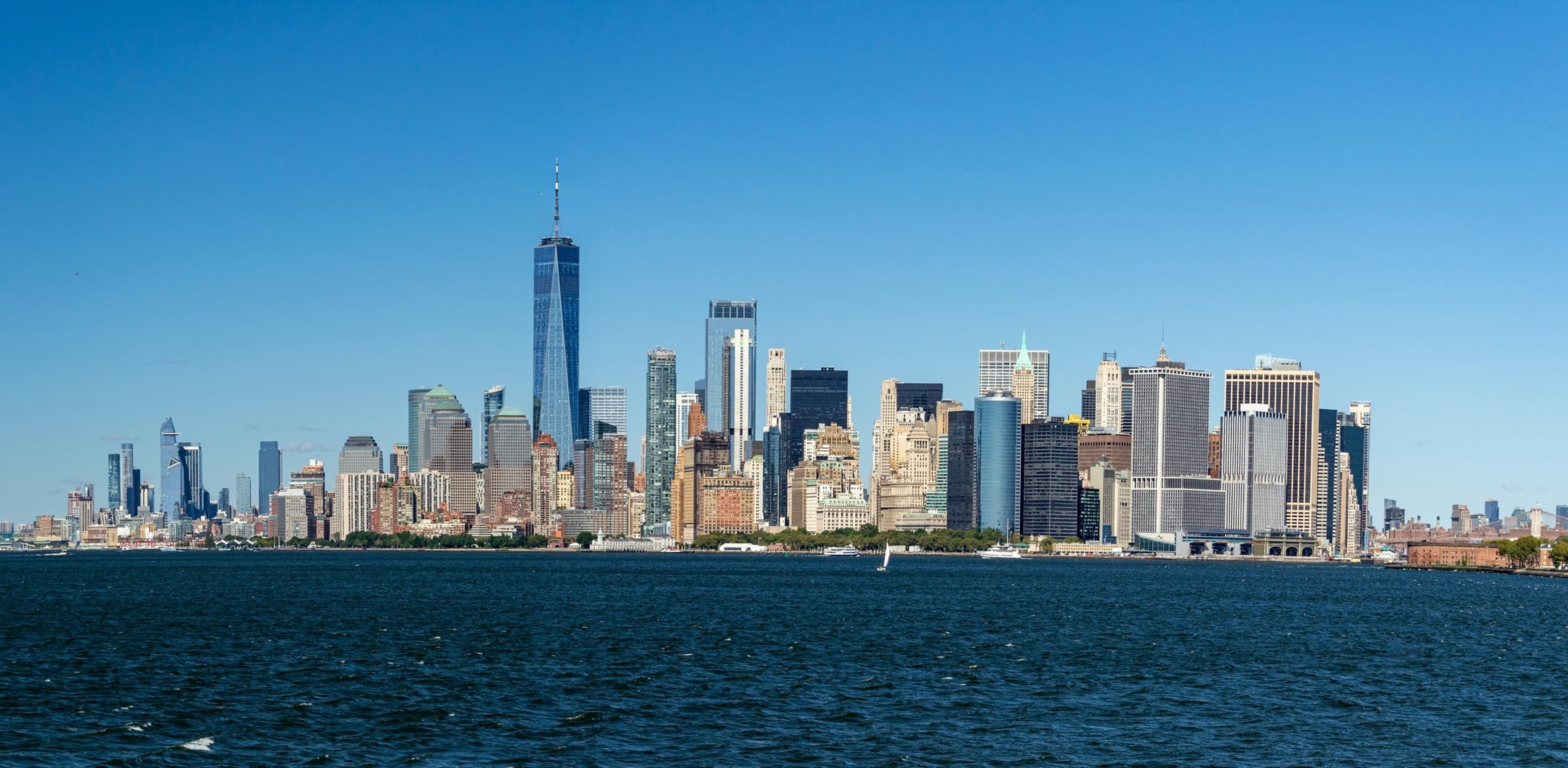
At 7:15 on a Tuesday morning, Washington Street smells like espresso and fresh bread. The PATH turnstiles click steadily. Joggers loop back from the waterfront, their breath visible in the early light. By the time you've finished your coffee, you could be stepping off at Christopher Street.
This is the rhythm of Hoboken neighborhoods, and it's why so many people moving to Hoboken from Manhattan or Brooklyn end up staying. One square mile. An eight-minute PATH ride. A town where you run into the same faces at the same coffee counter week after week.
But Hoboken isn't uniform. Walk ten blocks north and the energy shifts entirely. The bar noise fades. The brownstones widen. Front stoops appear. Choosing the right pocket matters here more than in most cities because everything is so compressed. A three-block difference changes your daily life.
This guide is based on walking every block multiple times and working extensively across Hudson County. This guide breaks down what each area actually feels like to live in, what you'll pay, what will annoy you, and which features match different priorities. No glossy brochure language. Just the honest version.
Market data sourced from NJMLS Q1 2026 and Hudson County MLS.
Why Hoboken Neighborhoods Attract NYC Transplants in 2026
The math is simple. You get more space for less money, you keep your Manhattan job, and you gain a neighborhood where people actually know each other.
Hoboken condos averaged $1,089,740 in Q1 2026. That sounds steep until you price out a two-bedroom in the West Village or Carroll Gardens. Here, that number gets you newer construction, a doorman, maybe a parking spot. In Manhattan, it gets you a walk-up with original plumbing.
The PATH changes the calculation entirely. Eight minutes to Christopher Street. Fourteen to 33rd. If you're only commuting two or three days a week, which is most of the people I work with now, those numbers make the rent-versus-buy decision obvious.
But I think the real draw is harder to quantify. Hoboken is a small town that happens to sit across from the biggest city in the country. You see the same people at the farmers market. The bartender remembers your order. Your dry cleaner asks about your kids. That sounds corny until you've spent five years in a Brooklyn high-rise where you never learned your neighbor's name.
People moving to Hoboken from Manhattan often describe a specific feeling: the first Saturday morning they woke up without the low hum of subway rumble, walked to the waterfront with their dog, and realized they weren't going back.
Hoboken Market Snapshot: What Buyers Face Right Now
Before we get into the neighborhood breakdowns, you should understand what you're walking into.
Condos dominate Hoboken inventory. In Q1 2026, 99 condo, coop, and townhouse units sold at an average price of $1,089,740. That's up 9.1% from the same quarter last year. Inventory moves fast: average days on market is 26, down 16% from the prior year.
Single-family homes are a different story entirely. Only 7 sold in Q1, averaging $2,681,428 with 34 days on market. If you're set on a brownstone with a backyard, expect limited options and competitive bidding.
The takeaway: for most buyers, condos are the realistic entry point. If you're serious about making a move, get pre-approved before touring. Properties here don't sit around waiting for you to finish your paperwork.
The Lay of the Land: Understanding Hoboken Neighborhoods
Hoboken packs four distinct personalities into one square mile. The boundaries blur at the edges, but the character of each pocket is unmistakable once you've spent time on the ground.
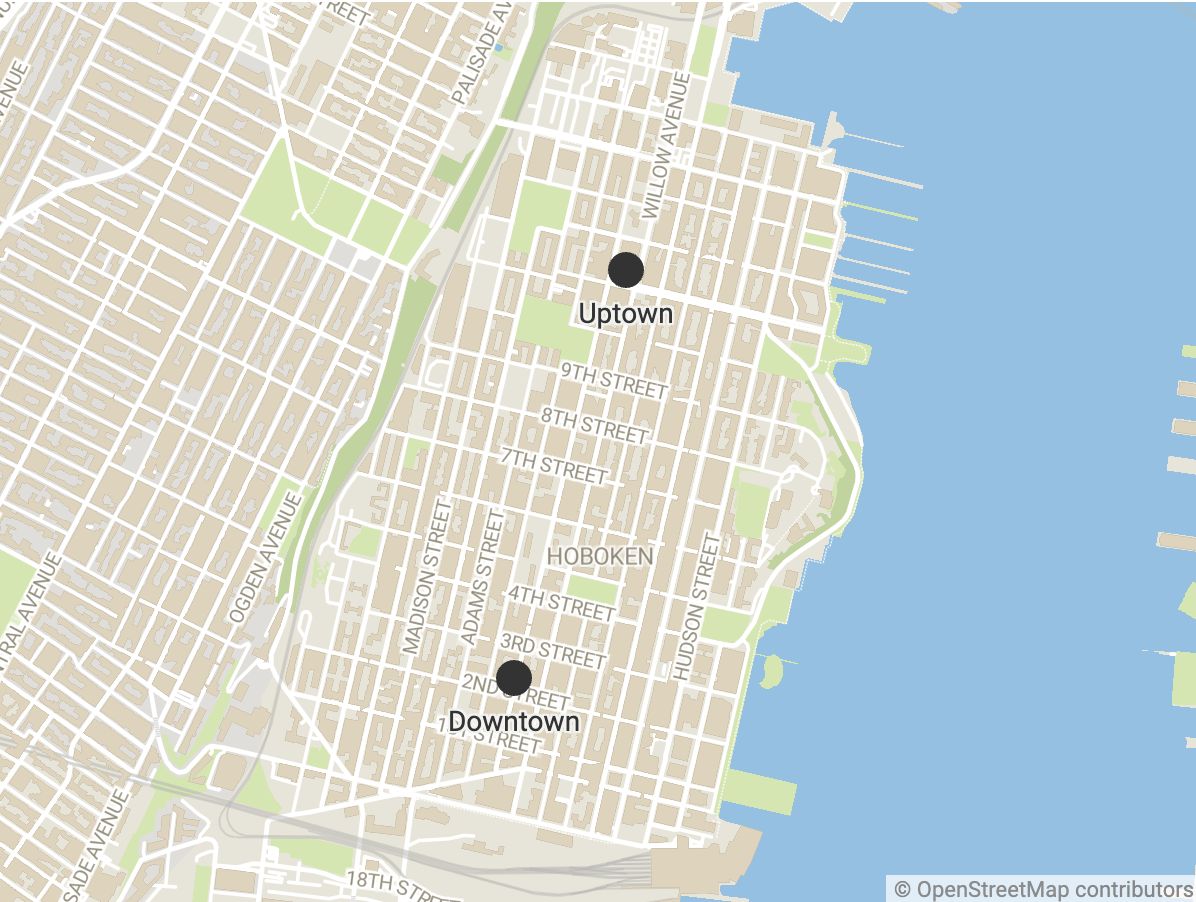
Downtown runs roughly from the PATH station at Hoboken Terminal up to about 6th Street. This is where the bars are. This is where the crowds are. This is where you'll find yourself at 2 AM on a Saturday whether you planned to or not.
Uptown picks up north of 10th Street and runs to the city line. Quieter blocks with wider brownstones. Stevens Institute of Technology anchors the northeast corner, and the streets around it feature tree-lined sidewalks and pre-war architecture. Multiple playgrounds serve the area, and the foot traffic thins considerably compared to Downtown.
The Waterfront stretches along Sinatra Drive and the Hudson River Park system. High-rises with amenity packages that read like resort brochures. Manhattan views from your living room window. Premium pricing to match.
West Hoboken hugs the western edge near the Hudson-Bergen Light Rail. This is where buyers priced out of the waterfront and downtown core find entry points. Less polished, more affordable, easier parking.
The Downtown Hoboken vs Uptown Hoboken question is the first one most buyers ask. I'll break it down in detail later, but the short version: Downtown offers high walkability scores and direct PATH access. Uptown offers wider lots, more parks per block, and residentially zoned streets with minimal commercial activity.
Downtown Hoboken: The Heart of the Action
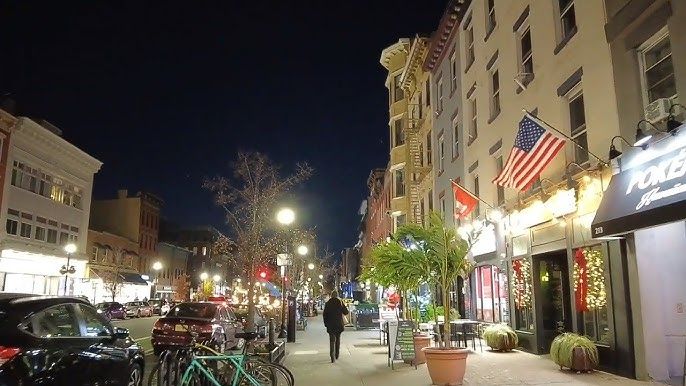
Washington Street is the spine of Downtown. From 1st Street up to about 6th, both sides of the block are stacked with restaurants, bars, and the kind of retail that survives in a walkable town: dry cleaners, nail salons, the occasional boutique.
Hoboken Terminal anchors the southern end. The building just completed exterior renovations after years of work, and stepping into the main hall feels appropriately grand for a transit hub that's been moving commuters since 1907. PATH trains leave every few minutes during rush hour. NJ Transit buses fan out to the rest of Hudson County. The ferry to Battery Park City boards a short walk away at Pier A.
The energy here is dense. Friday and Saturday nights, Washington Street between 1st and 4th fills with people bar-hopping. It's loud. It's fun if you're in the right mood. It's irritating if you're not.
Living Downtown means accepting trade-offs. You're never far from a good meal or a cold beer. You're also never far from garbage trucks at 5 AM and the sound of someone's bachelorette party spilling onto the sidewalk at midnight.
Condo inventory Downtown skews toward newer construction and converted warehouses. Buildings along Hudson Street and the cross-streets near the terminal often come with outdoor space and building amenities. Prices track slightly above the Hoboken average because you're paying for walkability to everything.
For commuters who want to maximize their free time, Downtown is hard to beat. You finish work, you're off the PATH, you're at dinner ten minutes later. No planning required. That convenience has real value.
Uptown Hoboken: Wider Lots and More Green Space
Cross 10th Street heading north and the volume drops. The brownstones get wider. Front stoops appear. The sidewalks widen, and tree coverage increases noticeably.
Stevens Institute of Technology sits on the bluffs in the northeast corner. The campus itself is worth walking through: old stone buildings, dramatic Hudson River views, and a sense of academic calm that bleeds into the surrounding blocks. The terrain around Stevens is higher than the rest of Hoboken, which means slightly better views and slightly more stairs.
The best restaurants in Hoboken by neighborhood argument tilts differently up here. You won't find the density of dining options that Downtown offers, but you'll find neighborhood spots where the staff recognizes you. Elysian Park, tucked into the corner near 10th and Hudson, offers a green escape that Downtown doesn't have.
Buyers seeking quieter streets gravitate Uptown for obvious reasons. Multiple playgrounds within walking distance. Parks like Elysian and Stevens Park provide green space that Downtown lacks. The trade-off is a longer walk to the PATH, though the bus routes along Washington fill that gap.
Uptown pricing often runs slightly below comparable Downtown units, which makes it attractive to buyers who don't need to be in the middle of the action. If you work from home three days a week and value quiet mornings over walkable nightlife, this is your part of town.
Downtown Hoboken vs Uptown Hoboken comes down to specific features. Downtown offers high walkability and active nightlife. Uptown offers lower foot traffic, more parks per block, and residentially zoned streets.
The Waterfront: Luxury Living with Manhattan Views
The high-rises along Sinatra Drive represent a different Hoboken experience entirely. These are buildings designed to compete with Manhattan luxury rentals: rooftop pools, concierge service, fitness centers that rival dedicated gyms, direct waterfront access.
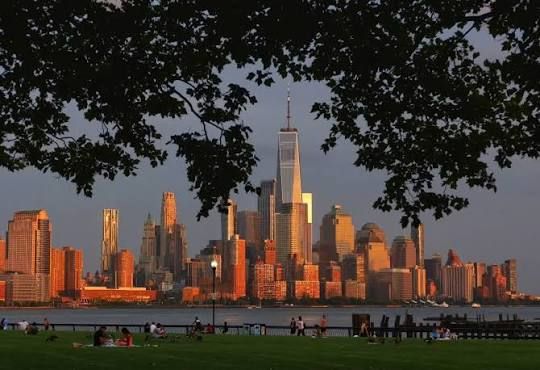
Pier C Park sits at the heart of this stretch. The playground there is among the best in Hudson County. The lawn fills with picnic blankets on summer weekends. The view of the Manhattan skyline, particularly at sunset, is legitimately spectacular.
Sinatra Park runs along the waterfront, offering runners and walkers a car-free path from the terminal up toward Weehawken. The Frank Sinatra statue at the north end is a popular photo spot, though locals mostly use it as a landmark for giving directions.
Pricing on the waterfront reflects what you're getting. Expect to pay a premium over comparable square footage inland. The waterfront offers amenity-rich buildings, direct Hudson River Park access, and unobstructed Manhattan views. Ferry access from Pier A adds a commute option that bypasses the PATH entirely.
The ferry terminal near Pier A adds a commute option that bypasses the PATH entirely. Eight minutes to Battery Park City on the water, with the skyline sliding past your window. On a clear morning, it's one of the better commutes in the region.
One honest note: waterfront living can feel slightly removed from the street-level energy of Washington Street. You're in Hoboken, but you're not quite in the thick of it. Some people love that buffer. Others miss the walkable chaos of Downtown.
West Hoboken: Lower Entry Point and Easier Parking
The western edge of town, near the Hudson-Bergen Light Rail stops, is where buyers who feel priced out of the core come looking. The building stock is older. The streetscape is less polished. But the prices reflect that, and for buyers who prioritize square footage over prestige, this is where the math works.
The Light Rail runs along Hoboken's western edge, connecting south to Journal Square and Newport, north to Weehawken, and terminating at Tonnelle Avenue in North Bergen. It's not as fast as the PATH, but it opens up the rest of Hudson County in a way that purely Downtown living doesn't.
Parking is easier here. Street parking requires a residential permit throughout town, but availability on the blocks west of Willow Avenue is less competitive than near Washington Street. Garage spots in this area often run $50-$75 less per month than waterfront buildings.
The dining scene out here is thinner. You'll find bodegas and takeout spots, but the destination restaurants cluster on Washington. That's changing slowly as rents push some newer concepts west, but for now, you're walking or biking east when you want a proper dinner.
Older building stock means due diligence matters. Some of these walk-ups haven't been updated in decades. If you're considering a purchase west of Willow, a thorough inspection is essential: roofs, plumbing, electrical, and the usual suspects.
West Hoboken offers lower average price per square foot, easier street parking, and direct Light Rail access. The trade-off is older building stock and a longer walk to Washington Street's dining and nightlife.
Downtown Hoboken vs Uptown Hoboken: Head-to-Head Comparison
This is the question I hear most often from buyers who've already decided on Hoboken but haven't picked their neighborhood.
| Factor | Downtown | Uptown |
|---|---|---|
| PATH access | 5-minute walk | 10-15 minute walk |
| Restaurant density | High (30+ within 5 blocks) | Moderate (10-15 within 5 blocks) |
| Nightlife proximity | Steps away | 10-minute walk |
| Noise level | Significant commercial activity | Residentially zoned, minimal commercial |
| Park access | Pier A, Sinatra Park | Elysian Park, Stevens Park |
| Key characteristics | High walkability, transit access | Wider lots, more green space |
Downtown offers maximum walkability and direct PATH access. The commercial corridor runs through the heart of the neighborhood, which means convenience comes with corresponding foot traffic and noise.
Uptown offers residentially zoned blocks with minimal commercial interruption. The trade-off is a few extra minutes of walking to transit and dining, but the payoff is noticeably lower density and more green space per block.
Which Hoboken neighborhood works best for commuters depends on priorities. Downtown minimizes walk time to PATH. Uptown offers quieter streets with slightly longer transit access.
Dining and Culture: Best Restaurants in Hoboken by Neighborhood
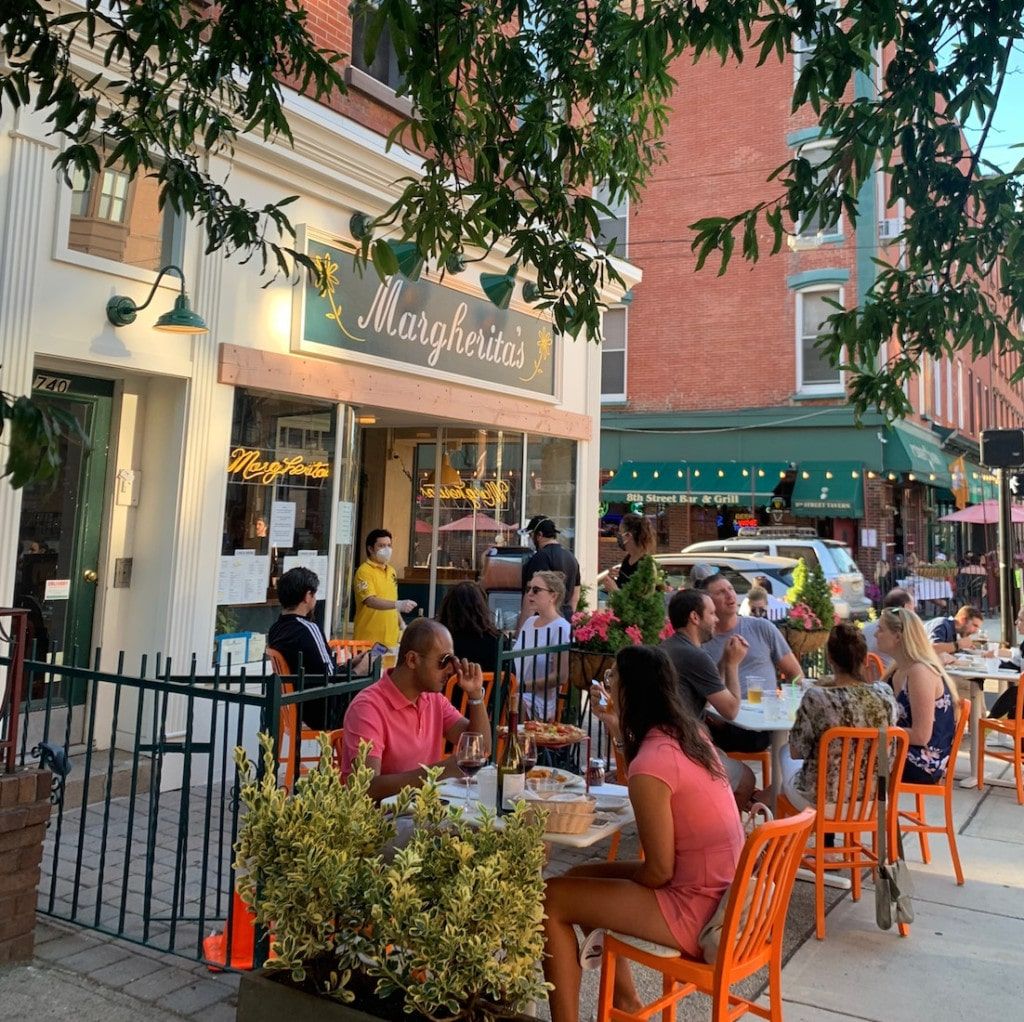
The restaurant scene here punches above what you'd expect from a town this size. Washington Street is the main artery, but the good spots are scattered throughout.
Downtown (1st to 6th): Benny Tudino's on Washington is an institution. The slices are enormous. The crowd is local. It's been serving Hoboken for decades and shows no signs of slowing down.
Carlo's Bake Shop on Washington Street draws weekend tourists because of the Cake Boss TV show. Locals more often buy their bread and pastries elsewhere, but the cannoli are solid and the people-watching is excellent.
La Isla at 1st and Washington does Cuban food that's worth seeking out. Grimaldi's holds its own against the original Brooklyn location.
Several Italian restaurants cluster along Washington between 8th and 11th. You won't go hungry for red sauce in this town.
Uptown (10th and above): Elysian Café at 10th and Washington has been serving the neighborhood for years. The brunch scene here tilts less chaotic than the Downtown spots.
Augustino's at 11th and Washington does Italian comfort food for the neighborhood regulars.
Across town: Court Street on 6th does brick-oven pizza. Karma Kafe at 5th and Washington is worth a stop. Barbes at 13th and Park offers a different vibe than the Washington Street corridor.
Tacoria on Washington Street handles the late-night taco window.
The Hoboken Biergarten is the outdoor beer garden situation you're looking for.
Honestly, the best way to find your spots is to wander. The town is small enough that you'll cover it in a few weekends of exploration. What works for me might not be your speed.
Parks, Outdoor, and the Waterfront
For a one-square-mile city, Hoboken packs in a surprising amount of green space and waterfront access.
Pier C Park is the crown jewel. Playground, lawn, and views that make you wonder why you ever paid Manhattan rent.
Pier A near Hoboken Terminal offers a more active scene: volleyball courts, food vendors in warm months, and the ferry terminal.
Sinatra Park runs along the waterfront north of the terminal. The walkway connects to the Hudson River Waterfront Walkway, which technically runs from the George Washington Bridge to Bayonne.
Elysian Park up in the northwest corner is smaller and quieter. Dog owners favor it. The grass is well-maintained for picnics.
Church Square Park in the middle of town hosts the farmers market and community events. It's the closest thing Hoboken has to a town square.
Maxwell Place Park on the northern waterfront offers a smaller, less crowded alternative to Pier C.
Living here without a car is not just possible, it's preferable. Everything is walkable or bikeable. The CitiBike stations cover the whole mile. You'll use your car less than you think.
Honest Trade-offs: What Will Actually Annoy You
Every Hoboken guide talks about the walkability and the views. Here's what they don't mention.
Parking is brutal. Street parking is competitive everywhere. Garage spots run $250-$400 a month depending on the building. If you can avoid owning a car, avoid it.
The bar scene is loud. If you live on Washington Street between 1st and 4th, you will hear every bachelorette party that passes through town. Friday and Saturday nights are not quiet.
Garbage trucks run early. 5 AM is not unusual. Light sleepers should factor this into neighborhood choice.
Weekend crowds spike. The waterfront parks fill up on nice days. Brunch spots have waits. This is the price of living in a popular place.
Limited inventory. Only 7 single-family homes sold in Q1 2026. If you want a brownstone with a yard, competition is intense and options are thin.
Flooding history. Some blocks in the southwest have flood zone considerations. Check FEMA maps before buying anything at grade level.
None of this should scare you off. But you should know what you're signing up for.
Neighborhood Features by Area
Downtown offers high walkability scores, direct PATH access, and 30+ restaurants within five blocks. The commercial corridor runs through the center, which means foot traffic and nightlife noise are part of the package.
Uptown offers wider lots, more parks per block, and residentially zoned streets with minimal commercial activity. Multiple playgrounds serve the area. The trade-off is a 10-15 minute walk to PATH instead of 5.
The Waterfront offers amenity-rich buildings, direct waterfront access, ferry service, and unobstructed Manhattan views. Premium pricing reflects these features. The area sits slightly removed from Washington Street's commercial energy.
West Hoboken offers lower average price per square foot, easier street parking, and direct Light Rail access. Older building stock requires thorough inspection. The dining scene is thinner, concentrated on Washington Street to the east.
FAQ
What neighborhood in Hoboken has the lowest street noise?
Blocks north of 10th Street in Uptown have fewer commercial establishments and are residentially zoned, resulting in less foot traffic and nightlife noise. The area around Stevens Institute of Technology and Elysian Park sees minimal through-traffic, particularly on weeknights.
Is Uptown or Downtown Hoboken better for park access?
Uptown offers more green space per block. Elysian Park and Stevens Park provide dedicated recreational areas, and multiple playgrounds serve the northern section of town. Downtown has Pier A and Sinatra Park on the waterfront, but less interior green space.
How much does a condo cost in Hoboken in 2026?
Condos, coops, and townhouses averaged $1,089,740 in Q1 2026, up 9.1% from the same period last year. Average days on market was 26, down 16% year over year. Single-family homes averaged $2,681,428, but only 7 sold in Q1.
Can you live in Hoboken without a car?
Yes. Most residents do. The PATH gets you to Manhattan quickly. The Hudson-Bergen Light Rail connects to the rest of Hudson County. CitiBike covers the whole square mile. Street parking is competitive enough that many residents sell their cars within a year of moving.
What is the commute from Hoboken to Manhattan?
The PATH runs approximately 8 minutes to Christopher Street and 14 minutes to 33rd Street. The NY Waterway ferry takes about 8 minutes to Battery Park City. Hoboken Terminal is the western terminus for PATH service, so you're guaranteed a seat during rush hour if you time it right.
Are there single-family homes in Hoboken?
Yes, but inventory is extremely limited. Only 7 single-family properties sold in Q1 2026, averaging $2,681,428 with 34 days on market. Most buyers target condos and townhouses for this reason. If you're set on a brownstone, expect competitive bidding and limited options.
Is parking difficult in Hoboken?
Yes. Street parking requires a residential permit and is still competitive. Garage spots in residential buildings run $250-$400 per month depending on location. If you can structure your life to avoid car ownership, Hoboken rewards that choice.
What's the best area for someone who works from home?
Uptown blocks tend to have lower daytime foot traffic, multiple parks within walking distance for midday breaks, and residentially zoned streets with minimal commercial noise. West Hoboken also offers quieter streets if you prioritize space and parking over proximity to Washington Street.