The question comes up constantly. Someone is thinking about selling, refinancing, or challenging their tax assessment, and they want to know what their home is actually worth. Not what an online estimate says. Not what a neighbor sold for. The real number.
That is what a Bergen County property appraiser determines. The process is more straightforward than most homeowners expect, though the distinction between an appraisal and other valuation methods trips people up. Understanding when you actually need a certified appraisal versus when a broker price opinion will do can save you money and time.
What Does a Bergen County Property Appraiser Actually Do?
A state-certified residential appraiser is a licensed professional who determines fair market value using standardized methods. The key word is unbiased. An appraiser has no stake in whether you buy, sell, or refinance. The job is to arrive at what a property would sell for in a competitive market with a willing buyer and seller, neither under pressure to act.
This differs fundamentally from what a real estate agent provides. Agents prepare broker price opinions to help clients understand where to list a home. That analysis is valuable, but it serves a different purpose. The agent eventually represents one side of a transaction. The appraiser represents neither.
Appraisers follow the Uniform Standards of Professional Appraisal Practice. They inspect the property, research comparable sales, and apply adjustments based on differences between your home and recent transactions. The final report is a detailed document that lenders, attorneys, and courts accept as an authoritative opinion of value.
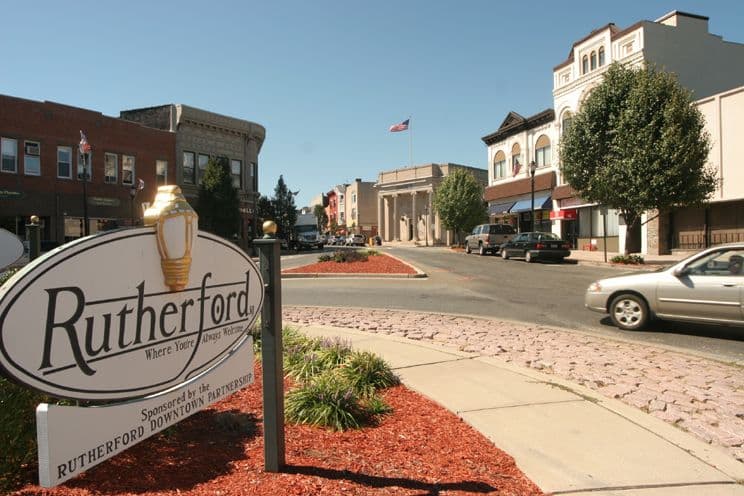
In Bergen County, appraisers work with everything from pre-war homes in Rutherford to newer construction in towns closer to the Hudson River. Each property type presents different challenges. A 1920s colonial with original details requires different analysis than a contemporary townhouse. The appraiser's job is to account for those differences.
When You Need a Professional Property Appraisal
Not every situation calls for a certified appraisal. Understanding when one is required versus optional helps you make smarter decisions.
Mortgage lending requirements. When you purchase a home with financing, the lender orders an appraisal. This is non-negotiable. The lender needs independent confirmation that the property supports the loan amount. You pay the fee, but you do not choose the appraiser. The lender selects from an approved panel to maintain independence.
Refinancing. Same principle applies. The lender wants current value confirmation before extending new terms. If you are refinancing to remove private mortgage insurance, the appraisal determines whether you have reached the equity threshold.
Estate settlements. When a property passes through an estate, the executor often needs a date-of-death valuation for tax purposes. This requires a certified appraisal, not an online estimate.
Divorce proceedings. Courts require independent valuations when dividing marital assets. Both parties benefit from an unbiased third-party opinion rather than competing broker price opinions.
Tax assessment appeals. Bergen County property owners who believe their assessment is too high can appeal to the Bergen County Board of Taxation at (201) 336-6300. A certified appraisal provides evidence of market value that the board will consider. The burden of proof falls on the property owner to demonstrate that the current assessment is unreasonable compared to market value.
Pre-listing preparation. This is where the decision gets interesting. If you are selling, you do not technically need an appraisal. A broker price opinion costs nothing and provides solid guidance for pricing. However, some sellers want the certainty of a certified valuation before committing to a listing price, particularly for unusual properties where comparable sales are scarce.
The Bergen County Appraisal Process Step by Step
The process takes less time than most homeowners expect. From scheduling to final report delivery, plan on one to two weeks for standard residential properties.
Scheduling. You contact the appraiser directly for private-pay work, or the lender arranges it for mortgage-related appraisals. Expect a brief conversation about the property type, square footage, and any unusual features that might affect complexity.
The inspection. The appraiser visits your home, typically spending 30 to 60 minutes inside and outside. They measure the property, photograph key features, note the condition, and document any improvements or issues. This is not an inspection in the home-inspection sense. The appraiser is not testing systems or looking for defects. They are documenting what exists.
Comparable sales research. Back at the office, the appraiser identifies recent sales of similar properties. In Bergen County, this means looking at transactions within the same town or nearby municipalities with comparable market conditions. The Bergen County Clerk's Land Records office maintains property records dating back to January 1, 1970, accessible through their public search portal. The appraiser adjusts for differences: one property has a garage, another does not; one has an updated kitchen, another is original. Each adjustment moves the comparable sale price up or down to reflect what your property would have sold for.
Report preparation. The final document includes the value conclusion, the comparable sales used, adjustment explanations, and supporting photographs. For lending purposes, this follows standardized forms. For private clients, the format may be more flexible depending on the intended use.
Delivery. Standard turnaround runs one to two weeks. Rush assignments are possible but typically cost more.
Key Factors That Affect Your Rutherford Home's Appraised Value
Appraisers evaluate the same factors whether the property is in Rutherford, Ridgewood, or Tenafly. Some carry more weight than others.
Location within Bergen County. Where the property sits matters enormously. Rutherford homes benefit from NJ Transit access to Penn Station, with single-family median prices reaching $946,000 as of June 2026, up 7.3% year over year according to NJ REALTORS data. Towns with strong Manhattan commuter access command premiums. School district boundaries affect value even within the same municipality. The appraiser accounts for these location-specific factors when selecting and adjusting comparable sales.
Square footage and layout. Livable square footage drives value more than total square footage. A finished basement adds value, but not at the same rate per square foot as above-grade space. The appraiser measures and categorizes each area appropriately.
Condition and updates. Recent kitchen and bathroom renovations typically support higher values. Deferred maintenance works against you. The appraiser notes the overall condition and factors it into adjustments. This is not about staging or cleanliness. It is about the physical state of the property.
Comparable sales. The appraisal is only as strong as the comparable sales available. Bergen County saw 584 single-family closings in June 2026, up 13% from the prior year, giving appraisers solid transaction data to work with. Condos and townhouses added another 207 closings that same month. In slower markets or for unusual properties, finding good comparables becomes more challenging. The appraiser may need to look further back in time or expand the geographic search area, which introduces more uncertainty.
Site characteristics. Lot size, topography, and location on the block all matter. Corner lots sometimes trade at premiums, sometimes at discounts depending on the neighborhood. Backing to commercial property typically hurts value. The appraiser accounts for these site-specific factors.

How to Prepare Your Home for an Appraisal
Preparation matters, but not in the way some sellers think. You cannot stage your way to a higher appraised value. What you can do is make the appraiser's job easier and ensure nothing detracts from an accurate assessment.
Gather documentation. Have a list of improvements with approximate dates and costs. The appraiser will ask about recent updates. Knowing when you replaced the roof or renovated the kitchen helps them account for condition accurately.
Provide access. The appraiser needs to see every room, including the basement, attic, and garage. Make sure these areas are accessible. Locked rooms or inaccessible spaces create complications.
Complete minor repairs. Obvious deferred maintenance catches the appraiser's eye. Peeling paint, broken fixtures, and damaged flooring suggest neglect. These issues do not need to be expensive to fix, but addressing them before the inspection removes potential negatives.
Do not over-improve. Major renovations right before an appraisal rarely return dollar-for-dollar. If you were planning updates anyway, fine. But do not rush a kitchen renovation expecting it to add more value than it costs.
Be present or available. You can be home during the appraisal. Some homeowners prefer to point out features the appraiser might miss. Others leave the appraiser alone. Either approach works. Just be reachable by phone in case questions come up.
Understanding Your Appraisal Report
The appraisal report looks technical, but the key sections are straightforward once you know what to look for.
Subject property description. This section describes your home: square footage, room count, construction type, condition, and features. Review it for accuracy. Errors happen, and they can affect the final value.
Comparable sales grid. This is the heart of the analysis. You will see three to six recent sales with details about each property. The grid shows adjustments the appraiser made: positive adjustments when the comparable was inferior to your home, negative adjustments when it was superior. The adjusted values should cluster around a reasonable range.
Reconciliation. The appraiser explains how they weighted the comparable sales and arrived at the final value opinion. Some comparables carry more weight because they are more similar to your property or sold more recently.
Final value opinion. This is the number that matters for your transaction. For lending purposes, this is the value the lender uses to determine loan-to-value ratios.
If something looks wrong, you can request a reconsideration. The appraiser will review additional information if you provide it, but they are not required to change their opinion unless you present compelling evidence they missed.
What to Do If Your Appraisal Comes in Low
A low appraisal can derail a purchase transaction or limit refinancing options. You have several paths forward.
Request reconsideration with additional comparables. If you know of recent sales the appraiser did not use, provide them. The appraiser will review and determine whether they affect the conclusion. This works best when you have genuinely comparable sales that were overlooked, not when you are simply unhappy with the result.
Challenge factual errors. Review the report carefully. If the appraiser recorded the wrong square footage, missed a bathroom, or made other factual errors, point them out. Corrections to factual errors can change the value.
Renegotiate the purchase price. In a purchase transaction, a low appraisal gives the buyer leverage to renegotiate. The seller can lower the price, the buyer can pay the difference in cash, or both parties can meet somewhere in the middle.
Pursue a second opinion. For private-pay appraisals, you can simply order another one. For lender-ordered appraisals, you may be able to request a second appraisal, though policies vary. A second appraisal is a separate fee and takes additional time.
Walk away. If the appraisal reveals the property is genuinely worth less than the contract price, walking away may be the right call. Overpaying creates problems down the road.
Appraisal vs Broker Price Opinion vs Online Estimate
| Method | Cost | Who Performs It | Certification Required | Best For |
|---|---|---|---|---|
| Certified Appraisal | $450-$750+ | State-certified appraiser | Yes | Lending, legal, tax appeals |
| Broker Price Opinion | Free | Licensed real estate agent | No | Listing price guidance |
| Online Estimate | Free | Algorithm | No | Rough ballpark only |
Each tool serves a purpose. Online estimates provide a starting point but miss property-specific details. Broker price opinions offer professional judgment without the cost. Certified appraisals provide the documentation that lenders and legal proceedings require.
For sellers simply trying to price a listing, a broker price opinion from an experienced local agent often provides sufficient guidance. Bergen County condos and townhouses currently show median days on market of 39, unchanged from last year, while single-family homes average 28 days, giving sellers reasonable time to test pricing. For refinancing, estate settlement, or tax appeals, the certified appraisal is the appropriate tool.
Bergen County's 52% appreciation over the past five years and 73.7% over ten years, per FHFA data, shows how quickly local values move beyond algorithm predictions. Current inventory sits at 1,066 single-family listings and 655 condo and townhouse listings as of June 2026, providing appraisers with robust comparable sale options. Condo and townhouse median prices reached $575,000 last month, up 3.1% year over year.
Common Misconceptions About Property Appraisals
Misconception: Appraisers can be influenced by the seller or listing agent. Appraisers are bound by independence requirements. Attempting to influence an appraiser's conclusion is a federal violation under lender-ordered appraisals and an ethics violation under any circumstances.
Misconception: A higher appraisal means a better appraiser. Accuracy is the goal, not advocacy. An inflated appraisal does no one favors when the property eventually sells or refinances.
Misconception: Online estimates are accurate enough for most purposes. Automated valuations miss condition, updates, and neighborhood nuances. They work as rough indicators, not decision-grade data.
Misconception: Appraisals and tax assessments should match. They serve different purposes and use different methodologies. A market appraisal and a municipal assessment may differ substantially, which is why certified appraisals support tax appeal arguments.
FAQ
How much does a property appraisal cost in Bergen County?
Standard single-family homes and condos typically run $450 to $750. Complex properties, large estates, or unusual situations are quoted individually based on the scope of work required.
How long does a home appraisal take in New Jersey?
Expect one to two weeks from scheduling to report delivery. The inspection itself takes 30 to 60 minutes. Rush assignments are available for additional fees.
What is the difference between an appraisal and a broker price opinion?
An appraisal is a certified opinion of value from a licensed appraiser following USPAP standards. A broker price opinion is a free estimate from a real estate agent. Lenders and courts require appraisals; broker price opinions serve pricing decisions.
Can I be present during my home appraisal?
Yes. Some homeowners prefer to walk the appraiser through the property and point out improvements. Others leave the appraiser to work independently. Either approach is acceptable.
How long is an appraisal valid for mortgage purposes?
Most lenders accept appraisals for 90 to 120 days, though policies vary. If your transaction extends beyond that window, the lender may require an update or a new appraisal.
What happens if I disagree with my appraisal value?
You can request a reconsideration by providing additional comparable sales or factual corrections. The appraiser reviews your information but changes conclusions only when evidence warrants it.
Do online home value estimates replace appraisals?
No. Online estimates cannot account for condition, updates, or neighborhood nuances. They provide rough indicators but lack the accuracy and documentation that lenders and legal proceedings require.
How do Bergen County tax assessments relate to appraisals?
They serve different purposes. Assessments are municipal valuations for tax collection. If you believe your assessment is too high, a certified appraisal provides appeal evidence to the Bergen County Board of Taxation at (201) 336-6300.
Ready to understand what your Bergen County home is actually worth? Jeffrey DeLucia is both a Broker Associate with Prominent Properties Sotheby's International Realty and a state-certified residential appraiser. Reach out to discuss your situation and get a clear answer on value.