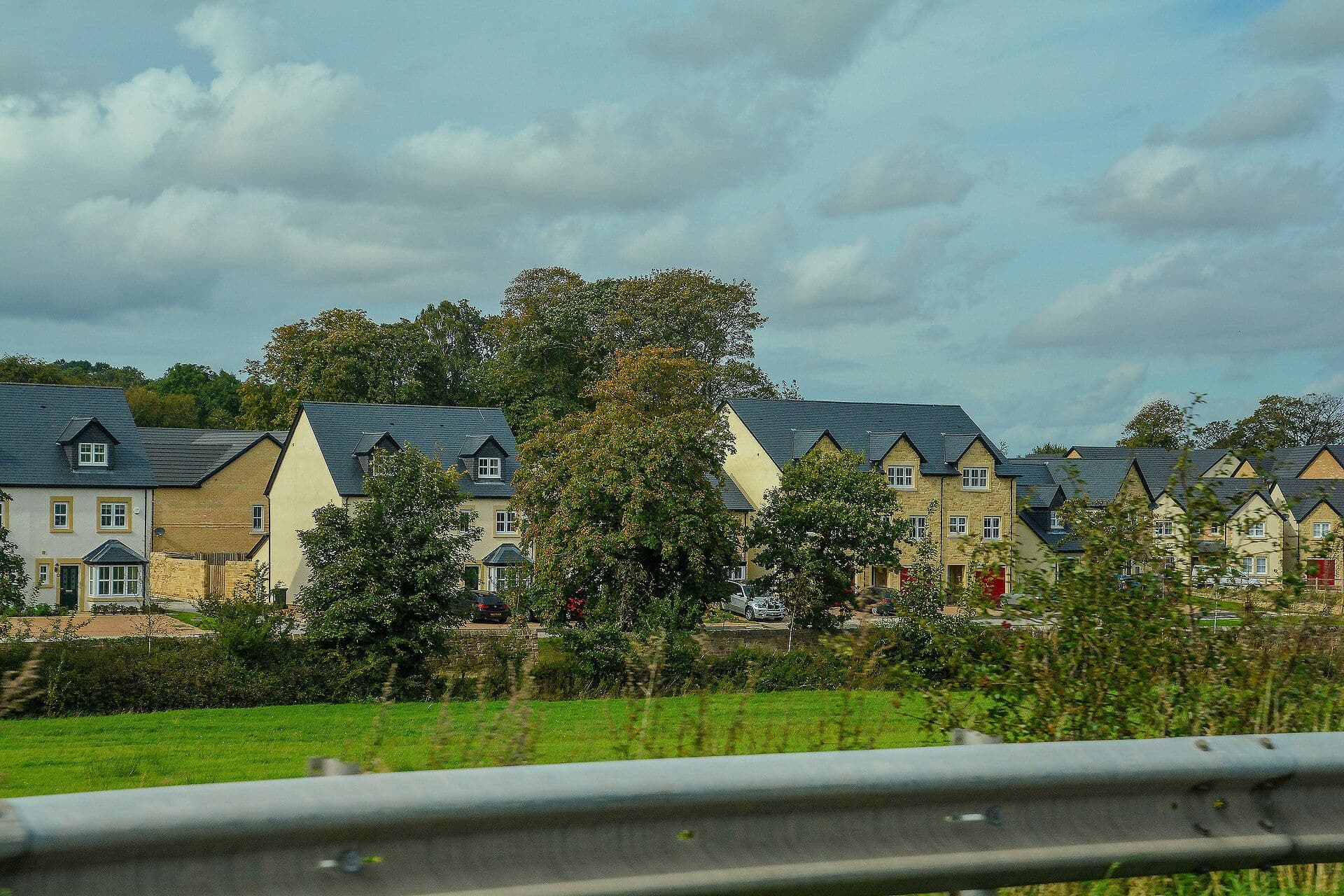
Pricing correctly in this region requires recognizing that this county operates as a collection of distinct micro-markets rather than a single unified market. What works for a split-level in Wayne differs substantially from a two-family in Clifton or a lakefront property in West Milford. The pricing strategy that generates multiple offers in one municipality may leave a listing sitting in another.
Learning how to price a home for sale in Northern New Jersey starts with understanding these micro-market dynamics. The same pricing mistakes get repeated across this market. Sellers anchor to what they paid, what they put into renovations, or what a neighbor claims they got. None of those factors determine what a buyer will actually pay today.
Market data sourced from Garden State Multiple Listing Service Q3 2026.
Why Pricing Your Home Correctly Matters from Day One
The first two weeks on market generate the most buyer activity. That window determines whether your home sells at full price, attracts multiple offers, or begins the slow decline of price reductions and stale-listing stigma.
Overpricing costs more than the initial gap between your list price and market value. When a property sits without offers, buyers assume something is wrong with it. By the time you reduce the price to where it should have been, those early buyers have moved on. The eventual sale price often ends up below where you would have landed with correct initial pricing.
Underpricing carries its own risk, though a less common one. In a competitive market, strategic underpricing can generate multiple offers that push the final price above where a higher list price would have landed. That said, pricing significantly below market without a strategic rationale simply leaves money on the table.
The goal is precision: pricing at the point where qualified buyers recognize value and feel compelled to act before someone else does.
Understanding How to Price a Home for Sale in Northern New Jersey Markets
This region contains multiple municipalities, each with distinct pricing dynamics. The median sale price across all property types reached approximately $648,000 as of mid-2026, reflecting an increase of nearly 12% year-over-year according to Redfin calculations from MLS and public records. That county-wide figure masks substantial variation.
Wayne represents the upper end of the single-family market, with established neighborhoods where well-maintained colonials regularly close above $700,000. Totowa and Little Falls occupy a similar tier with different inventory available. Clifton spans from modest Cape Cods to larger properties that approach the Bergen County price band.
By contrast, municipalities like Prospect Park and portions of urban centers offer entry points well below the county median. First-time buyers priced out of Bergen County often find their footing here.
This diversity means county-level statistics provide context but not actionable pricing guidance. Your home competes within its specific municipality and often within specific neighborhoods of that municipality.
The Broker Price Opinion: Your Pricing Foundation
A broker price opinion examines recent sold properties comparable to yours and adjusts for differences to estimate market value. This process provides the foundation for pricing decisions.
The foundation is sold data, not active listings. What sellers are asking is aspirational. What buyers actually paid tells you what the market supports. I pull sales from the past three to six months, focusing on properties within a half-mile radius when possible, matched by property type, bedroom count, square footage, and condition.
Adjustments account for differences. A comparable that sold for $550,000 with an updated kitchen while yours has original cabinets from 1985 requires a downward adjustment. A comparable without central air while yours has a newer HVAC system warrants an upward adjustment. These adjustments are not arbitrary. They reflect what buyers in this market demonstrably pay for specific features.
The result is a value range, typically spanning about 5% from low to high, with a recommended list price within that range based on your timing priorities and risk tolerance.
Professional Appraisal vs. Market Price: What Sellers Need to Know
Formal appraisals comply with USPAP standards and carry legal weight for estate settlements, divorce proceedings, and lending decisions. A private-pay residential appraisal typically runs $450 to $750 for a standard single-family home, with complex or oversized properties quoted individually.
A broker price opinion serves a different purpose. It estimates market value for pricing and negotiation strategy but does not carry the regulatory weight of a formal appraisal. Both are valuable. They answer different questions.
The distinction matters most when your buyer secures financing. Their lender will order an appraisal. If that appraised value comes in below the contract price, the buyer must either bring additional cash to close, renegotiate, or walk away. Pre-listing appraisals can identify potential appraisal gaps before you accept an offer you cannot close.
In practice, I recommend pre-listing appraisals when the property has unusual features, recent additions without permits, or sits in a price tier with few recent comparables. For typical homes with adequate comparable sales, a thorough broker price opinion provides sufficient guidance. For more on how appraisals work in this region, see our Bergen County property appraiser guide.
Key Factors That Influence Your Passaic County Home's Value
Understanding what buyers actually pay for helps you price realistically and decide which improvements are worth completing before listing.
Location within municipality: Even within a single town, blocks vary. Homes near major thoroughfares or commercial zones typically sell below those on quieter residential streets with the same square footage. Proximity to transit matters in municipalities with NJ Transit access.
School districts: Buyers with children prioritize school assignments. In towns where elementary schools feed into different middle and high schools, the specific school catchment affects value. Check GreatSchools ratings for your assigned schools, but recognize that rankings shift and buyers research independently.
Lot size and configuration: Lot sizes range from compact townhouse sites to multi-acre parcels in the western portion of the county. Corner lots, irregular shapes, and steep terrain affect both value and buyer pool.
Property condition: Updated kitchens and bathrooms command premiums, but not dollar-for-dollar. A substantial kitchen renovation may add meaningful value, though rarely does a seller recoup the full cost. The gap between move-in ready and needs work typically runs 10-15% in this market.
Deferred maintenance: Roofs past their expected life, aging HVAC systems, dated electrical panels, and water intrusion issues reduce offers by more than repair costs would suggest. Buyers discount for uncertainty. Addressing known issues or pricing them into your list price avoids negotiation surprises.
Commuter access: Properties with straightforward access to Routes 3, 46, 80, and the Garden State Parkway appeal to buyers commuting to multiple destinations. The time and hassle of getting to major arteries from the specific block matters.
Common Pricing Mistakes Sellers Make
Anchoring to purchase price or investment: What you paid in 2015 is irrelevant to 2026 buyers. What you spent on renovations may or may not be reflected in market value. The market sets price based on what comparable properties are selling for today, not your cost basis.
Relying on automated estimates: Online valuations aggregate public data and apply algorithms. They cannot see that your kitchen was updated last year or that the basement takes water during heavy rain. The vast majority of automated estimates fall outside a reasonable accuracy band for pricing decisions. Use them as one data point, not as a pricing anchor.
Ignoring days-on-market patterns: If comparable homes in your area are selling in the first few weeks, and your listing sits well past that mark, the market is telling you the price is wrong. Waiting for a buyer who does not exist costs more than adjusting.
Pricing for negotiation room: Buyers in 2026 have access to comparable sales data. Sophisticated buyers know what similar homes sold for. Building in substantial negotiation room simply signals overpricing and reduces initial showing activity.
Emotional attachment: The nursery where your children grew up has no monetary value to buyers who will use it as an office. Price based on features and condition, not memories.
 Photo: Ian Muttoo from Mississauga, Canada / Wikimedia Commons, CC BY-SA 2.0
Strategic Pricing Techniques to Generate Multiple Offers
Strategic pricing considers both where to set the initial price and how to respond to market feedback.
Pricing just below threshold numbers: Buyers search in increments. A listing at $499,000 appears in searches set to $500,000 maximum. A listing at $505,000 does not. Consider how buyer search behavior affects visibility at common thresholds.
Competitive positioning within your micro-market: If three similar homes are active in your immediate area priced between $475,000 and $495,000, pricing yours at $525,000 requires a compelling differentiator. Absent that differentiator, you become the property that makes the others look reasonable.
Strategic underpricing in competitive segments: In price bands with high buyer demand and limited inventory, pricing slightly below the expected value can generate multiple offers. The final price often exceeds where a higher list price would have landed. This strategy requires confidence in the buyer pool and stomach for the process.
Timing considerations: Spring traditionally brings the largest buyer pool, but also the most competition from other sellers. Fall can be strategic for well-priced listings competing against less inventory. December and January see reduced activity, though serious buyers remain. Your specific timeline and circumstances matter more than calendar generalizations.
Working with a Local Expert to Get Your Price Right
This region's diversity makes hyperlocal knowledge essential. An agent who works primarily in Wayne may not understand the lakefront market in West Milford. An agent focused on first-time buyers in urban areas may not recognize what luxury buyers in Totowa prioritize.
The value of local expertise shows in the details: knowing which blocks have parking challenges, which school boundaries shifted recently, which upcoming developments might affect buyer perception, and what buyers in this specific micro-market actually care about.
A pricing consultation should include:
- Review of recent comparable sales with adjustments explained
- Assessment of your home's condition relative to comparables
- Discussion of current market dynamics and buyer activity
- Recommended price range with rationale
- Timeline considerations based on your goals
The first few weeks matter most. Ongoing monitoring during the listing period ensures pricing stays competitive. If showing activity drops or feedback indicates pricing concerns, adjustments within the first two to three weeks preserve momentum rather than fighting stale-listing perception.
For sellers considering their options, understanding what recent data says about your specific property type and location is the starting point. For Clifton sellers specifically, our Clifton market report provides detailed Q3 2026 analysis.
FAQ
How do I find out what my home is worth in Northern New Jersey?
Start with a broker price opinion from an agent who works in your specific municipality. They will pull recent sold comparables, adjust for differences, and provide a value range. Online estimates provide a starting point but cannot account for condition, updates, or neighborhood-specific factors that meaningfully affect value.
Should I get an appraisal before listing my home for sale?
Pre-listing appraisals make sense when your property has unusual features, recent unpermitted work, or sits in a price tier with few recent comparables. A formal appraisal runs $450 to $750 for a typical home. For standard properties with adequate comparable sales, a thorough broker price opinion provides sufficient pricing guidance at no cost.
How accurate are online home value estimates for Northern New Jersey properties?
Online valuations aggregate public data without seeing the property. They cannot assess condition, updates, or neighborhood nuances. The vast majority fall outside a useful accuracy band. Treat them as rough reference points, not pricing anchors. Comparable sold data from your specific micro-market provides reliable guidance.
What happens if I price my home too high initially?
Overpriced listings sit while properly priced competitors sell. The first few weeks generate the most buyer activity. Once that window passes, your listing develops stale-listing stigma. Price reductions signal desperation. The eventual sale price often ends up below where correct initial pricing would have landed.
How long should I wait before reducing my asking price?
Monitor showing activity and feedback from the first week. If showings decline and feedback consistently mentions price, the market is speaking. Most listings that need adjustment benefit from doing so within two to three weeks rather than waiting. Early adjustment preserves momentum. Later adjustments chase a shrinking buyer pool.
Do home improvements always increase my home's sale price?
Not dollar-for-dollar. A kitchen renovation that costs $50,000 may add substantial value but rarely do sellers recoup the full investment. Focus on improvements that address buyer objections: dated kitchens, worn flooring, deferred maintenance. Cosmetic updates often provide better return than major structural work.
What town in this region has the lowest taxes?
Property tax rates vary by municipality and are based on assessed value, which is typically lower than market value. Rates shift annually based on municipal budgets and ratios. Check with the specific township's tax assessor for current rates. Tax burden depends on both rate and assessed value relative to purchase price.
How much do you have to make to afford a $500,000 house in NJ?
Lenders typically want housing costs at or below 28-35% of gross monthly income. With 20% down on a $500,000 home, you are financing $400,000. At current mortgage rates, that monthly payment plus taxes and insurance requires household income in the range of $120,000 to $150,000 depending on other debts and local tax rates.
If you want to understand what these market conditions mean for your specific property, request a New Jersey home valuation.
Hero photo: Lewis Clarke / Wikimedia Commons, CC BY-SA 2.0