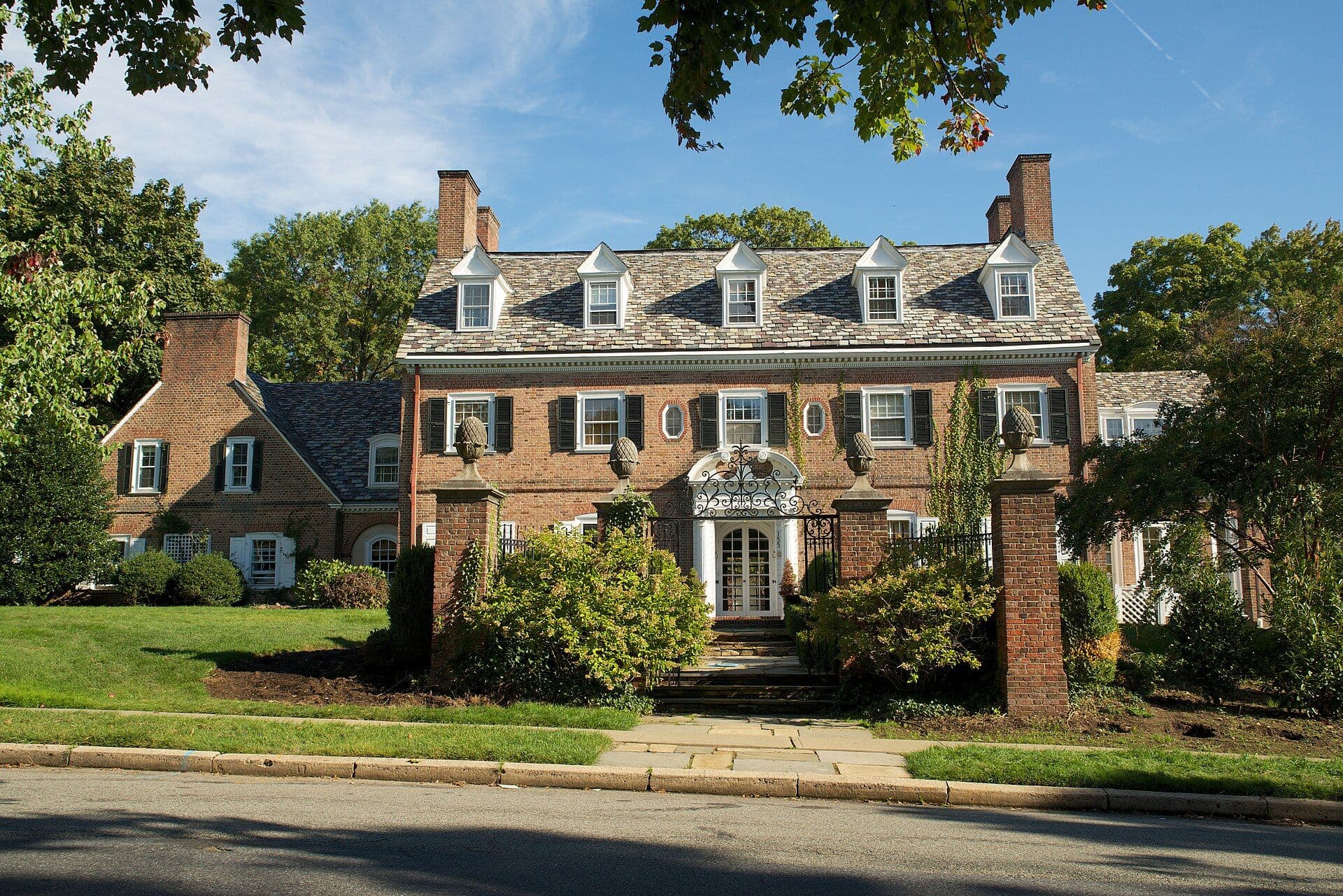
Montclair sellers have real advantages heading into fall 2026. Buyer demand remains steady, inventory is tight, and the town's combination of walkable villages, Montclair Public Schools, and direct Manhattan transit keeps it on shortlists across North Jersey.
But advantages only matter if you position your property correctly. Overpricing by even a small margin can stall a listing for weeks, while underinvesting in presentation leaves money on the table. This guide walks through what actually works in this market, from valuation to closing.
Why Montclair Draws Consistent Buyer Demand
Montclair's appeal is structural, not cyclical. Six distinct village centers, each with its own character, give buyers options they cannot find in neighboring towns. Bloomfield Avenue through Watchung Plaza offers walkable retail and dining. Upper Montclair provides a lower-density residential feel with its own downtown along Valley Road.
Transit access anchors demand. NJ Transit's Montclair-Boonton Line runs through multiple stations, putting Hoboken Terminal and Penn Station within reach. For commuters, that connectivity translates directly into price support.
The architectural diversity matters too. Tudor revivals, Colonials, Victorians, and mid-century moderns sit on the same blocks. Buyers shopping Montclair often have specific aesthetic preferences, which means the right buyer for your property type is actively looking.
Essex County single-family homes moved in a median 26 days in July 2026, per agent-provided MLS data. Condos and townhouses took longer at 46 days. That gap reflects buyer preferences in this market: single-family inventory turns faster because demand concentrates there.
How Selling a Home in Montclair NJ Starts: Knowing Your Value
Your home's market value is the price a qualified buyer will pay within a reasonable marketing period. Not the price you need, not what your neighbor got last year, not an online estimate.
Determining that figure requires a broker price opinion grounded in recent comparable sales. The process examines properties that sold in the past several months, ideally within a half-mile radius and with similar square footage, bedroom count, and condition. Adjustments account for differences: a renovated kitchen adds value; a dated bath subtracts.
Online valuations provide starting points but miss nuance. They cannot see your finished basement, your new roof, or the traffic noise from the adjacent street. A state-certified residential appraiser provides the kind of hands-on assessment that automated tools cannot replicate, with hands-on market experience informing the analysis.
For sellers considering a New Jersey home valuation, that independent assessment establishes realistic expectations before you list. Pricing strategy flows from honest valuation, not the other way around.
Essex County's median single-family sale price in July 2026 was $875,000, essentially flat year over year at -0.1%. Condo and townhouse medians rose more sharply to $505,000, up 26.3% from the prior year. These county-wide figures provide context, though Montclair's specific neighborhoods can trade at premiums depending on location and condition.
Preparing Your Montclair Home for Sale: What Actually Moves the Needle
Preparation separates homes that sell at asking from those that linger. The goal is not perfection. The goal is removing objections before buyers walk through the door.
Decluttering and depersonalizing. Buyers need to imagine their furniture, their art, their lives in your space. Family photos, collections, and personal items create visual noise. Clear counters, half-empty closets, and neutral spaces photograph better and tour better.
Repairs that matter. Address obvious maintenance issues: dripping faucets, cracked tiles, peeling paint. Buyers discount these problems more than the repair would cost. A pre-listing inspection identifies issues before buyers do, giving you control over the narrative.
Curb appeal for Montclair's architectural stock. A Tudor with overgrown boxwoods reads as deferred maintenance. A Victorian with a sagging porch rail signals more problems inside. Power-wash siding, refresh mulch, paint the front door. First impressions set price expectations.
Staging considerations. Professional staging can help buyers see a home's potential, particularly in rooms with unusual layouts or dated finishes. The decision depends on your property type and price point. It is worth discussing with your agent whether the investment makes sense for your specific situation.
What rarely pays off: major renovations undertaken specifically for sale. A full kitchen remodel takes months and may not return the investment. Buyers often prefer to choose their own finishes.
The Montclair Selling Timeline: What to Expect Week by Week
Understanding the timeline helps you plan your own move and set realistic expectations.
| Phase | Timeframe | Key Activities |
|---|---|---|
| Pre-listing | Weeks 1-2 | Repairs, staging, photography, pricing |
| Active marketing | Week 3 | MLS launch, first showings |
| Showings | Weeks 3-5 | Tours, feedback analysis |
| Offers | Weeks 4-6 | Negotiation, acceptance |
| Contract to close | Weeks 6-10 | Attorney review, inspections, appraisal |
Weeks 1-2: Pre-listing preparation. Complete repairs, declutter, stage if applicable, and arrange professional photography. Your agent should provide a broker price opinion and discuss pricing strategy.
Week 3: Active marketing begins. Listing goes live on MLS, syndicated to consumer sites, promoted through brokerage networks. Your first weekend of showings is critical. Buyers paying attention to new inventory will request tours immediately.
Weeks 3-5: Showings and feedback. Track showing volume and buyer comments. If traffic is strong but offers are not materializing, the market is telling you something. If traffic is light, pricing or presentation needs adjustment.
Week 4-6: Offer negotiation. In a competitive situation, expect multiple offers within the first two weeks. Evaluate each offer on price, financing strength, contingencies, and timeline. A higher offer with shaky financing may not close.
Weeks 6-10: Under contract to closing. Attorney review in New Jersey typically takes several business days. Inspections follow, then appraisal. Mortgage approval and title work proceed in parallel. Closing generally occurs 45-60 days from executed contract.
If you are coordinating a move, local moving services should be booked once your closing date is confirmed. Waiting until the last week creates unnecessary stress.
Pricing Strategies That Attract Serious Montclair Buyers
Pricing is the single decision that most influences your outcome. Price correctly and you attract competing buyers. Price high and you train the market to wait for a reduction.
At-market pricing. Setting your list price at fair market value generates the broadest interest. Buyers and their agents recognize fair pricing and respond with urgency. In a 26-day median DOM environment, well-priced homes move quickly.
Below-market pricing. Listing slightly under market value can generate multiple offers, creating competition that pushes the final sale price above your original target. This strategy works best in neighborhoods with limited inventory. Essex County single-family inventory stood at 633 homes in July 2026, down 9.3% year over year. That scarcity supports aggressive pricing strategies.
Premium pricing for luxury properties. At higher price points, buyers are fewer and more selective. Marketing periods extend naturally. If your Montclair home falls into the luxury tier, pricing strategy shifts toward patience and targeted marketing rather than rapid turnover.
The cost of overpricing. Homes that sit on market longer than comparable listings raise buyer suspicion. The longer a property lingers, the more negotiating leverage shifts to the buyer. Price reductions signal desperation. The first price is often the best price.
For sellers weighing these approaches, discussing these tactics with your agent can clarify which fits your property and timeline.
Marketing Your Montclair Home: Beyond the MLS Listing
MLS exposure is table stakes. Every buyer's agent searches the same database. What differentiates your listing is how it presents within that system and beyond it.
Professional photography. The majority of buyers start their search online. Dark, amateur photos eliminate your property before a showing ever happens. Professional images, shot in natural light with proper staging, generate clicks and tours. Working with real estate photography specialists ensures your listing competes visually.
Video and virtual tours. For buyers relocating from out of state, video walkthroughs provide context that photos cannot. A well-produced video tour lets a buyer in California experience your Montclair Colonial before committing to a cross-country trip.
Open house strategy. Weekend open houses concentrate showing traffic and create social proof. Seeing other buyers walk through signals demand. Broker opens on weekday mornings introduce your property to agents with active clients.
Network reach. Prominent Properties Sotheby's International Realty offers global marketing exposure for luxury listings, reaching qualified buyers beyond the local MLS. For properties with distinctive architecture or significant value, that expanded reach can identify buyers who would otherwise never see your listing.
Social media and digital marketing. Targeted advertising on social platforms can place your listing in front of buyers who fit the profile for your home. The goal is not viral reach; it is precise targeting.
Navigating Offers, Negotiations, and Closing in Montclair
When offers arrive, price is only part of the equation.
Financing strength. A cash offer eliminates mortgage risk. A conventional pre-approval with a strong lender is nearly as reliable. FHA or VA loans carry additional appraisal requirements that can complicate closing. Understand the financing before accepting.
Contingencies. Most buyers include inspection and financing contingencies. Some add a sale contingency, meaning they must sell their current home first. Each contingency introduces risk. Weigh them against the offer price.
Timeline. A buyer requesting a 90-day close may fit your moving plans better than a buyer pushing for 45 days. Or vice versa. Your circumstances matter.
Negotiation posture. In a multiple-offer situation, respond with a best-and-final request. In a single-offer scenario, negotiate on price, terms, or both. Your agent should advise on market conditions and buyer motivation.
Once under contract, New Jersey requires attorney review, typically lasting several business days. Inspections follow, and buyers may request repairs or credits. Negotiating these requests requires balancing deal preservation against giving away equity.
Working with a New Jersey real estate attorney ensures your interests are protected through contract execution and closing.
Appraisal considerations. If the buyer is financing, the lender orders an appraisal. The appraiser examines comparable sales from recent months to support the purchase price. If the appraisal comes in low, negotiations reopen. Either the buyer pays the gap in cash, you reduce the price, or the deal collapses.
Closing costs for sellers. Expect to pay real estate commissions, transfer taxes, attorney fees, and prorations for property taxes. New Jersey's realty transfer fee is based on the sale price, with rates varying by price tier. Sellers typically pay this fee at closing. Budget for total closing costs in the range of several percentage points of the sale price.
Common Mistakes Montclair Sellers Make (And How to Avoid Them)
Overpricing based on emotion. Your memories of raising children in a home do not translate to market value. Buyers pay for square footage, condition, and location. Price on comparables, not sentiment.
Skipping the pre-listing inspection. Surprises during buyer inspections derail deals. A pre-listing inspection identifies issues you can address proactively or disclose transparently. New Jersey requires sellers to provide a Seller's Disclosure form; honesty protects you legally.
Ignoring early feedback. If your first two weeks generate showings but no offers, something is wrong. Either the price or the presentation is not meeting buyer expectations. Adjust quickly rather than waiting for the market to come to you.
Underestimating closing costs. Transfer taxes, commissions, and attorney fees reduce your net proceeds. Factor these into your minimum acceptable price before listing.
Refusing reasonable repair requests. Buyers who request modest credits for minor issues are not adversaries. They are buyers trying to close. Killing a deal over a small request costs more than the concession.
Vacating too early. An empty home photographs poorly and feels cold on tours. If you can remain in the property through showings, the home presents better than vacant.
FAQ
How long does it typically take to sell a home in Montclair NJ?
Well-priced single-family homes generally sell in 3-4 weeks, consistent with Essex County's median 26 days on market for single-family properties in July 2026. Condos take longer at 46 days median. Overpriced properties can sit for months.
What are the closing costs for sellers in New Jersey?
Sellers should expect closing costs totaling several percentage points of the sale price. Major expenses include real estate commissions, the New Jersey realty transfer fee, attorney fees, and prorated property taxes. The transfer fee varies by price tier.
Should I make repairs before listing my Montclair home?
Address obvious maintenance issues: leaky faucets, cracked tiles, peeling paint. These create buyer objections disproportionate to repair cost. A pre-listing inspection identifies issues so you control the narrative rather than reacting to buyer findings.
How do I choose the right listing price for my Montclair property?
Start with a broker price opinion based on comparable sales from recent months, adjusted for condition, size, and location. A licensed NJ home appraisal provides independent verification. Price at market to attract the broadest buyer pool.
Is staging worth it when selling a home in Montclair?
Staging helps buyers visualize living in a space, particularly for rooms with unusual layouts. The decision depends on price point. For higher-end homes, staging often pays for itself through faster sales. For entry-level properties, thorough decluttering may suffice.
What paperwork do I need to sell my house in New Jersey?
New Jersey requires a Seller's Disclosure form detailing known property conditions. You will also need your deed, recent tax bills, mortgage payoff information, and documentation on improvements or permits. Your attorney guides specific requirements.
How does the fall 2026 market affect my selling timeline?
Fall 2026 brings buyers motivated to close before year-end or settle before the next school year. Essex County single-family inventory is down 9.3% year over year. Sellers listing in September and October capture deadline-driven buyers while competition remains limited.
What makes Montclair different from neighboring markets?
Six walkable village centers, diverse architecture from Tudors to mid-century moderns, and multiple NJ Transit stations providing Manhattan access. That transit, walkability, and housing variety combination is difficult to replicate nearby.
Fall 2026 offers Montclair sellers a window where demand remains solid and inventory is constrained. The difference between a strong outcome and a disappointing one often comes down to preparation and pricing.
If you want to understand what your specific property would bring in this market, a New Jersey home valuation provides the clarity you need before making any decisions.
Hero photo: Jrogers123 / Wikimedia Commons, CC BY-SA 3.0