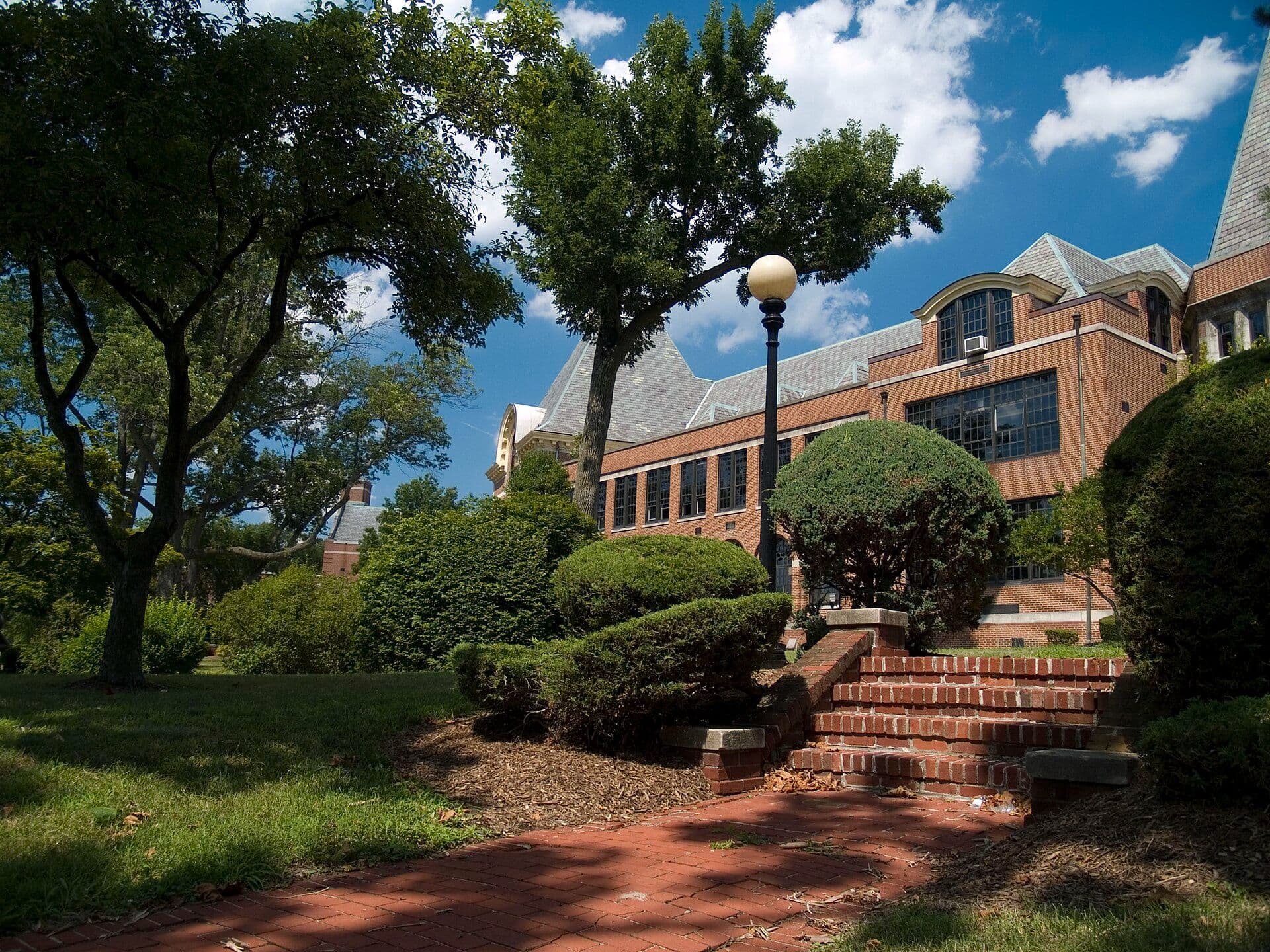
The Saturday morning farmers market at Van Neste Square fills the air with the smell of fresh bread and late-season tomatoes. Cyclists weave between shoppers carrying canvas bags, and a line forms outside the coffee shop on Ridgewood Avenue before the doors open. This is Ridgewood at 9 AM in October: unhurried, walkable, and familiar in a way that takes years to build.
Ridgewood sits in Bergen County, about 25 miles northwest of Manhattan, with roughly 25,000 residents spread across a village center and several distinct residential pockets. The housing here runs older, with many homes dating to the early 1900s through the 1960s, and the tree canopy is mature enough that some blocks feel like tunnels in summer. Buyers come for the downtown, stay for the architecture, and discover that the commute works better than they expected.
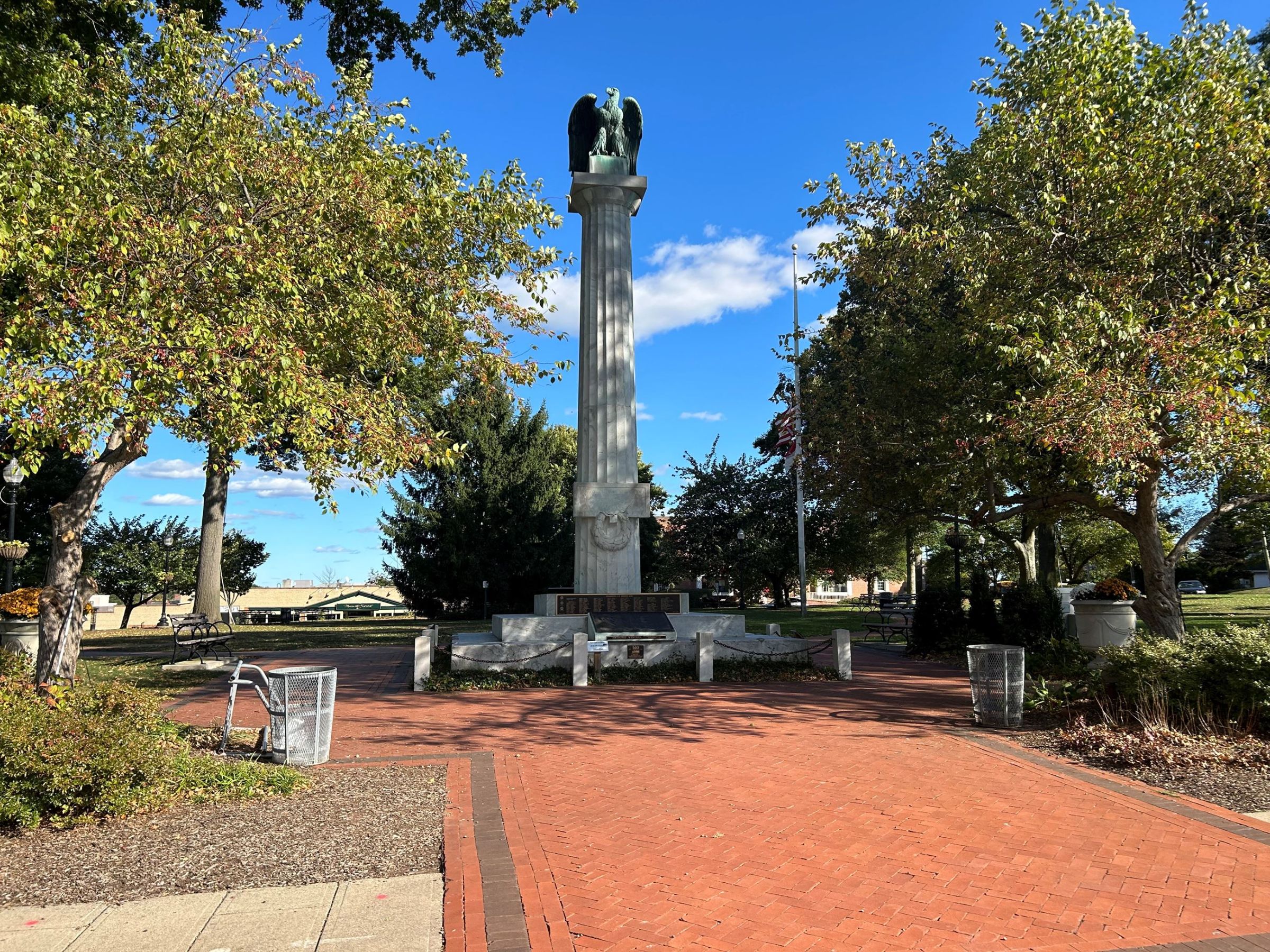
Why Ridgewood NJ Homes for Sale Draw Consistent Buyer Demand
Ridgewood's reputation rests on three things: the walkable downtown, the housing quality, and direct rail access. That combination is harder to find in Bergen County than it sounds, and it explains why competition for homes here stays intense even when the broader market softens.
Most Bergen County towns offer one or two of those elements. You can find commuter towns where the downtown is a strip mall, or walkable villages without a train station. By contrast, Ridgewood delivers all three, which is why buyers keep coming back even after losing out on multiple properties.
The village center along Ridgewood Avenue and the surrounding blocks contains more than 200 shops and restaurants. You can walk to a hardware store, a bookshop, a tailor, several banks, a cheese shop, and a pharmacy. Dry cleaning, pet supplies, eyeglasses: they're all here. In practice, this isn't a downtown that exists for tourists or special occasions. It's where residents run errands on Tuesday afternoons.
Property values reflect that utility. Homes within walking distance of the village center carry a premium, but even properties farther out benefit from the town's overall reputation. Bergen County's five-year appreciation rate sits at 52% according to the FHFA House Price Index, and Ridgewood has generally tracked above that county average, though individual results depend on location, condition, and the specific year of purchase.
The Lay of the Land: Ridgewood Neighborhoods
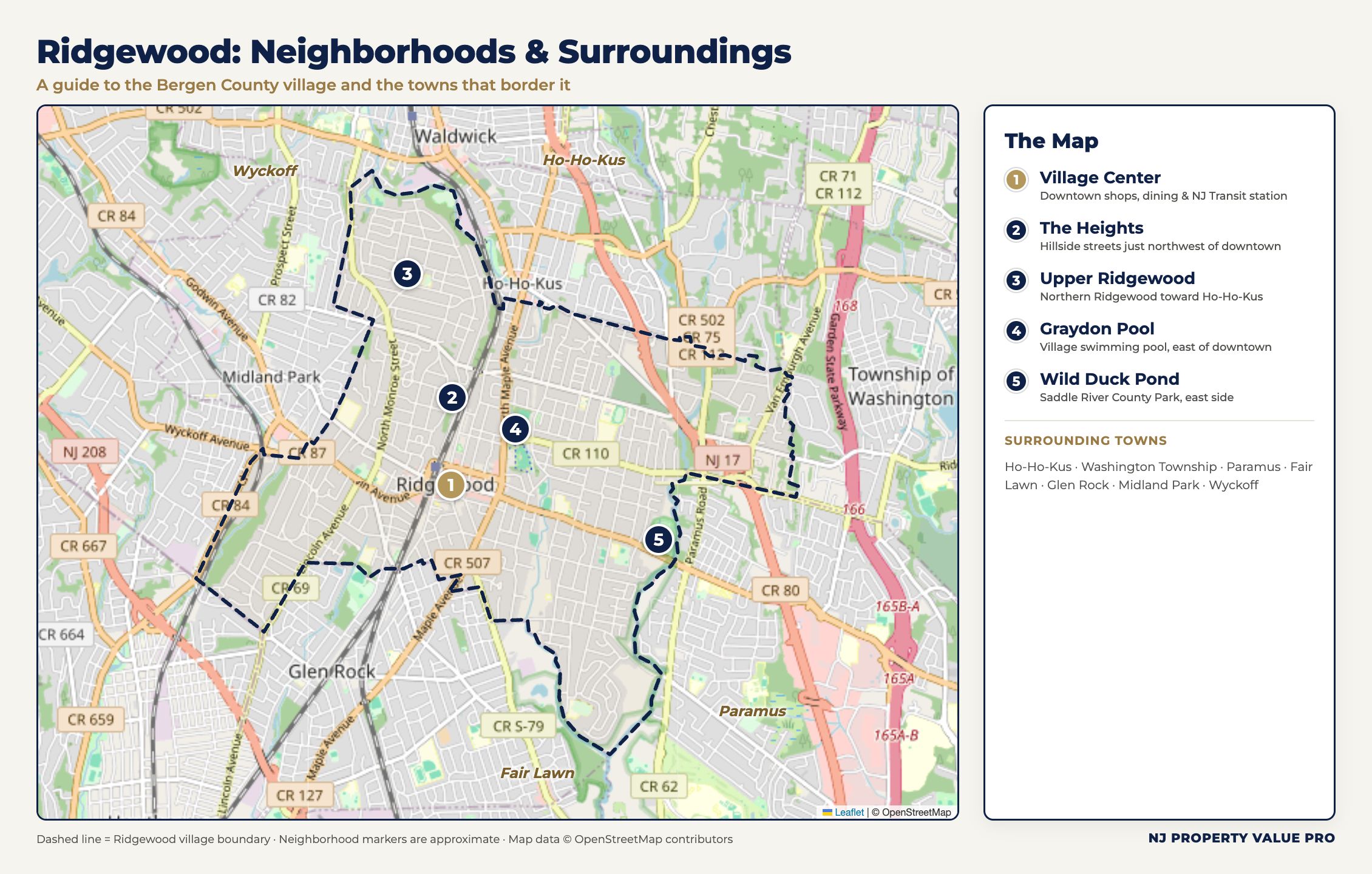
Ridgewood isn't large geographically, but it contains distinct pockets with different lot sizes, housing eras, and proximity to the village center. Understanding where to focus your search saves time and prevents frustration.
The Village Center and Surrounding Blocks
The most walkable addresses cluster within a half-mile of Ridgewood Avenue. These streets (Oak Street, Prospect Street, Franklin Avenue, parts of North Maple) put you within a ten-minute walk of everything downtown offers. Housing here tends toward older colonials on smaller lots with modest yards and short or nonexistent driveways. The trade-off is obvious: you gain walkability but sacrifice space, and prices in this pocket run higher per square foot than anywhere else in town.
Upper Ridgewood
North of the village center, lots expand and the terrain slopes upward. Upper Ridgewood contains some of the most substantial homes in town: larger colonials, Tudors, and center-hall designs on half-acre or larger lots. Streets like Hillcrest Road and the surrounding blocks draw buyers seeking more space without leaving town. That said, the walk downtown becomes a 15 to 20 minute proposition from Upper Ridgewood, so most residents drive or bike, which changes the daily rhythm compared to living near the village center.
The Heights
Just northwest of downtown, around Crest Road and Heights Road, the Heights neighborhood sits on higher ground with properties that often feature views and larger setbacks from the street. This area has mature landscaping, well-tended gardens, and zoning that limits commercial activity. Streets here wind rather than grid, giving the neighborhood a different feel from the more structured blocks closer to the train station.
Glen Rock Border and Southern Ridgewood
The southern portion of Ridgewood blends into Glen Rock, and some blocks genuinely confuse newcomers about which town they're in. Housing here tends toward mid-century split-levels and raised ranches, more modest than the center-hall colonials of Upper Ridgewood but often better priced. In practice, buyers seeking entry-level Ridgewood addresses often start their search in this area.
West Side
West of the village center, across the railroad tracks, the character shifts again. Lots vary more widely in size, and the housing mix includes everything from smaller bungalows to substantial estates. This area offers some of the town's best values for buyers who don't need to walk downtown daily.
What It Feels Like to Live Here
Daily life in Ridgewood revolves around the village center in ways that distinguish it from most Bergen County suburbs. The rhythm here is walkable, social, and grounded in routines that build over time.
Morning starts with coffee runs along Ridgewood Avenue, where the same faces appear at the same counters week after week. The train station fills around 7:30 AM as commuters head to the platform, newspapers tucked under arms or podcasts queued up for the ride. By mid-morning, the downtown shifts to errands: dry cleaning dropped off, prescriptions picked up, a quick stop at the hardware store for something minor.
Afternoons bring the migration to sports fields. Recreational soccer, lacrosse, and baseball programs run extensive schedules, and Ridgewood's recreational facilities stay busy through dinner time. Graydon Pool draws summer crowds for swimming in a natural setting that feels like a lake rather than a municipal facility.
Weekends center on Van Neste Square and the farmers market ritual. By contrast, the restaurants fill for brunch and again for dinner, with enough variety that regulars rotate through favorites without getting bored. The bookstore sees steady traffic, and the sidewalks fill with shoppers and dog walkers.
That said, the pace slows after dark. This isn't a nightlife town. Restaurants close by 10 PM, and the streets quiet down. Residents who want late-night options head elsewhere, but those who prefer early mornings find the rhythm comfortable.
Dining and Culture
The restaurant scene along Ridgewood Avenue ranges from casual to refined, with enough variety to avoid cooking several nights a week without repeating spots.
Italian trattorias anchor the dining options, with several spots serving traditional red-sauce dishes alongside more contemporary preparations. Sushi restaurants, Mexican spots, American bistros, and a few white-tablecloth options round out the choices. In practice, the mix suits weeknight convenience and weekend gatherings without requiring a drive to Paramus or Manhattan.
Coffee culture runs strong here. Multiple cafes along the main drag compete for the morning crowd, and weekends see lines forming early. The coffee-and-newspaper ritual at a downtown table is part of what draws people to Ridgewood in the first place.
Beyond restaurants, the village center contains a working bookstore with author events, a wine shop with tastings, and specialty food stores that stock items you'd otherwise order online. The cultural calendar includes summer concerts, holiday events, and civic gatherings that use the downtown spaces throughout the year. By contrast, you won't find a Michelin-starred tasting menu or a trendy cocktail bar, but you won't struggle to find somewhere good on a Tuesday either.
Ridgewood School District: What Homebuyers Need to Know
Ridgewood Public Schools publishes performance data through the New Jersey Department of Education's annual School Performance Reports. The district operates five elementary schools (grades K-5), one middle school (grades 6-8), and Ridgewood High School (grades 9-12).
Each elementary school serves a specific geographic attendance zone set by the district. The five elementary schools are Hawes, Orchard, Ridge, Somerville, and Willard, all feeding into Benjamin Franklin Middle School, which then feeds into Ridgewood High School.
The district publishes boundary maps showing exactly which addresses fall into which elementary school zone. In practice, verifying this before making an offer is essential, as the maps occasionally shift with enrollment changes. For objective performance data, the Ridgewood Public Schools official resources provide detailed information including state assessment results.
Ridgewood is small enough that few addresses are truly far from any school. Private and parochial options also exist in the area, with Our Lady of Mount Carmel School serving grades K-8.
Ridgewood Home Prices and What Different Budgets Buy
Ridgewood's price tiers span a wide range depending on property type, location, and condition. Understanding what different budgets can realistically afford helps calibrate expectations before you start touring.
Entry-Level Tier
Buyers entering Ridgewood typically find their options in the southern part of town, on smaller lots, or in homes requiring significant updating. Entry-level Ridgewood currently starts in the high six figures for properties needing work, with move-in ready options in this tier approaching the million-dollar mark. Split-levels and raised ranches from the 1950s-1970s dominate this segment, often featuring smaller rooms by current standards, dated kitchens and bathrooms, and layouts that reflect a different era's priorities.
Mid-Market
The bulk of Ridgewood transactions occur in the roughly $1 million to $1.8 million range. This tier includes updated colonials, well-maintained split-levels with additions, and smaller center-hall colonials in good locations. Buyers here typically find three to four bedrooms, two to three bathrooms, and lots ranging from quarter-acre to half-acre.
Upper Tier
Above $2 million, Ridgewood offers larger colonials, Tudors, and estate-quality properties primarily in Upper Ridgewood and the Heights. These homes feature five or more bedrooms, multiple living areas, and lots often exceeding half an acre. Some include pools, carriage houses, or other outbuildings. The very top of the market, prices exceeding $3 million, represents a thin segment with limited annual transaction volume.
New Construction
Genuine new construction in Ridgewood is rare because the town is built out and zoning restrictions limit what can be developed. When new construction does appear, it typically involves teardowns of older modest homes replaced with larger new builds. These custom homes command premium prices, often well above $2 million, and appeal to buyers seeking modern amenities in a built-out town.
For context on how Bergen County valuations work and what drives pricing differences, the property appraiser Bergen County NJ guide provides useful background.
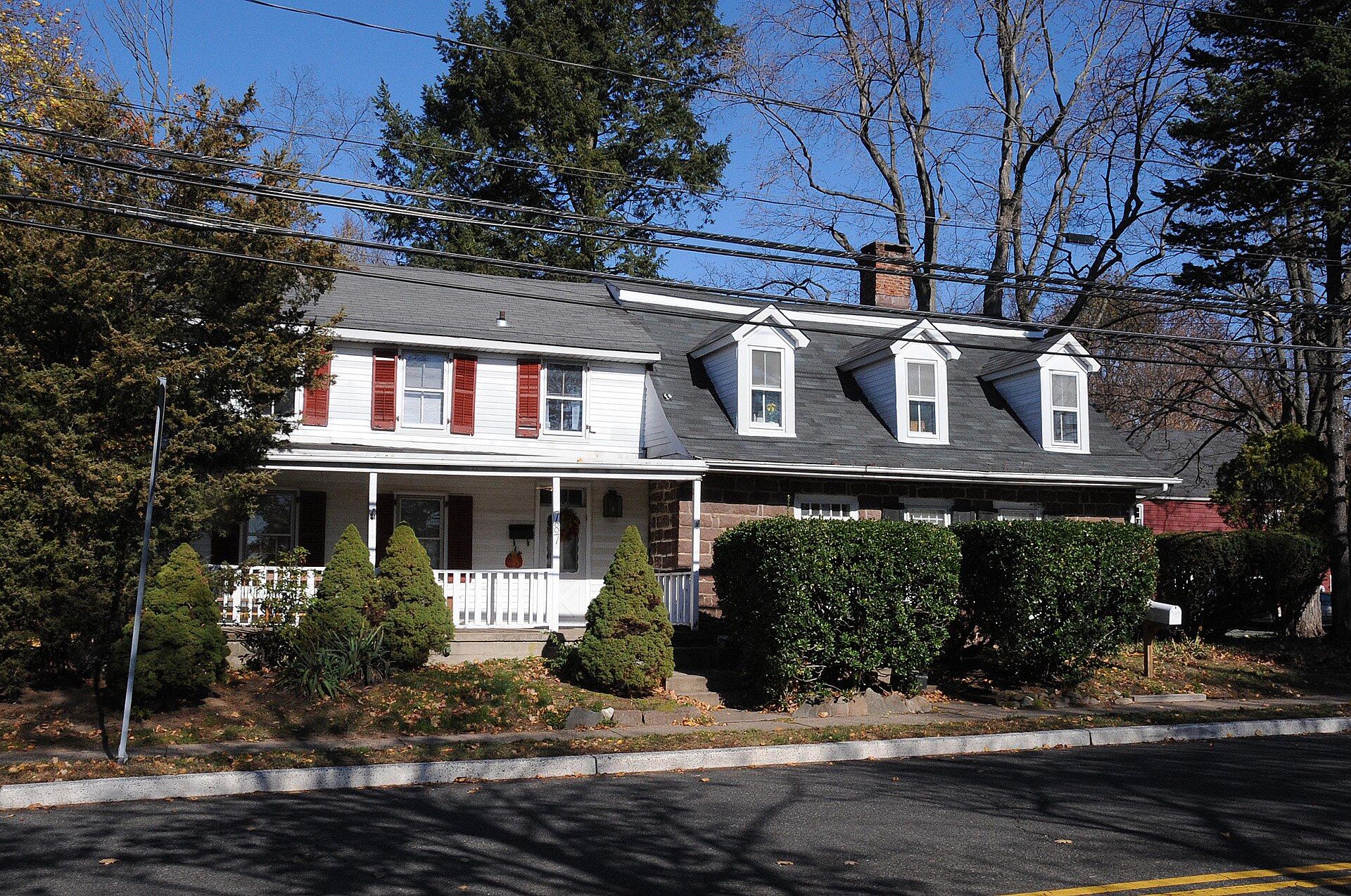 Photo: J / Wikimedia Commons, CC BY-SA 4.0
What to Expect When Buying a House in Ridgewood NJ
The Ridgewood market moves differently than the broader Bergen County market, and understanding local dynamics helps you position effectively.
Competition Remains Consistent
Ridgewood sees steady buyer demand regardless of seasonal patterns. Spring and fall bring the most listings, but motivated buyers compete year-round, and homes priced correctly in desirable locations often receive multiple offers within the first week. Across Bergen County, single-family inventory sat at 1,513 homes as of September 2026, up 5.3% year-over-year per Redfin. That slight inventory increase hasn't softened Ridgewood specifically the way it has in some other Bergen towns. Built-out towns with limited new supply tend to absorb additional inventory without much price impact.
Inspection Considerations
Ridgewood's housing runs older than the county average, with many homes dating to the 1920s through 1960s. Beautiful character comes with maintenance realities: original windows, aging heating systems, plumbing that may need updating, and electrical systems designed for a different era. Buyers should budget for inspection contingencies and be prepared for negotiation around deferred maintenance. A home inspection in Ridgewood often surfaces issues that wouldn't appear in newer construction: knob-and-tube wiring, cast-iron drain pipes, single-pane windows. None of these are dealbreakers, but they inform pricing and negotiation.
Timeline Expectations
From accepted offer to closing typically runs 45-60 days in Ridgewood, though cash buyers can move faster. Days on market for single-family homes across Bergen County averaged 71 days in September 2026 per Redfin data. By contrast, Ridgewood's most desirable listings sell faster than that average, while homes with pricing or condition issues can sit longer.
Working with Local Expertise
The nuances here, which blocks are closest to the train station, which streets see flooding during heavy rain, which older homes have been updated versus deferred, require local knowledge that generic search tools can't provide. If you're considering a purchase, connect with a local Ridgewood real estate expert who can share insights specific to the addresses you're evaluating.
Commuting from Ridgewood: NYC Access and Transportation
The commute question drives significant buyer decisions, and Ridgewood's answer works for many Manhattan-bound commuters, though it requires honest assessment of travel time.
NJ Transit Rail
Ridgewood station sits on NJ Transit's Main Line and Bergen County Line. Direct trains run to Hoboken, where passengers transfer to PATH for Manhattan. The total trip to Penn Station via Secaucus Junction typically runs 50-65 minutes depending on connection timing and final Manhattan destination. For schedules and current fares, NJ Transit schedules and fares provides trip planning tools and real-time information.
The station location, walking distance from the village center, adds value to nearby homes. Commuters can park at the station or walk from addresses within a half-mile radius, and station-adjacent streets see heavy morning foot traffic heading to the platform.
Bus and Driving Options
NJ Transit buses also serve Ridgewood with routes to Manhattan, though most commuters prefer rail for speed and reliability. Route 17 provides north-south access, while Route 208 connects to I-287 and the Garden State Parkway. That said, car commutes to Manhattan vary wildly based on time of day, traffic conditions, and destination. Lincoln Tunnel backups can turn a theoretical 30-minute drive into 90 minutes during peak hours.
The Honest Assessment
Ridgewood's commute isn't quick by city standards. You're not getting door-to-door in 30 minutes. In practice, the train provides reading time, the schedule is predictable, and the walk from the station means no parking hassle at either end. Buyers who accept the commute's realities often find it tolerable once they've settled into the routine.
Parks, Outdoor, and Recreation
Ridgewood maintains an extensive park system for a town its size, with options spread throughout residential areas rather than concentrated in one location.
Graydon Pool at Graydon Park draws summer crowds for swimming in a natural setting. The beach atmosphere and picnic areas make it feel more like a lakefront than a municipal facility, and memberships sell out. Sports fields at Schedler Park, Glen Avenue Park, and Stevens Field serve recreational leagues and adult programs. Tennis courts, playgrounds, and walking paths round out the options.
The linear park system connects several neighborhoods with paths for walking, jogging, and biking. These corridors provide car-free routes through parts of town and serve as de facto dog-walking circuits for residents.
By contrast, Ridgewood isn't positioned for serious hiking or trail running. The terrain is flat suburban, not mountain-adjacent. Residents seeking longer trails typically drive to county or state parks elsewhere in Bergen or Passaic counties.
Honest Trade-offs: What You Should Know Before Moving
Every town has its friction points. Knowing Ridgewood's helps you decide whether they're deal-breakers or acceptable compromises.
Property Taxes
New Jersey property taxes run higher than most states, and Ridgewood is no exception. The combination of high assessed values and Bergen County tax rates means annual property tax bills that can rival monthly rent in many parts of the country. Budget accordingly and verify the actual tax bill for any specific property before making an offer, as assessed values don't always track sale prices predictably.
Parking Downtown
The village center's popularity creates parking pressure. Metered spots fill quickly during peak hours, and residents without off-street parking at home navigate permit rules and time limits. The trade-off for walkability is that others want to walk here too.
Older Housing Realities
Character comes with maintenance. Original windows leak air, old boilers need annual service, and the charm of a 1920s colonial includes dealing with systems designed a century ago. In practice, buyers accustomed to newer construction sometimes underestimate the ongoing cost and attention older homes require.
Limited Inventory
Ridgewood's appeal means competition. When you find a house that fits, other buyers likely have too. The frustration of losing out on multiple properties is common here. Patience and preparation help, but the market doesn't hand out easy wins.
Route 17 Noise
Properties near Route 17 on the eastern edge of town hear traffic, and the sound carries more at night when ambient noise drops. Buyers considering addresses in that area should visit at different times, including after dark, to assess the actual impact.
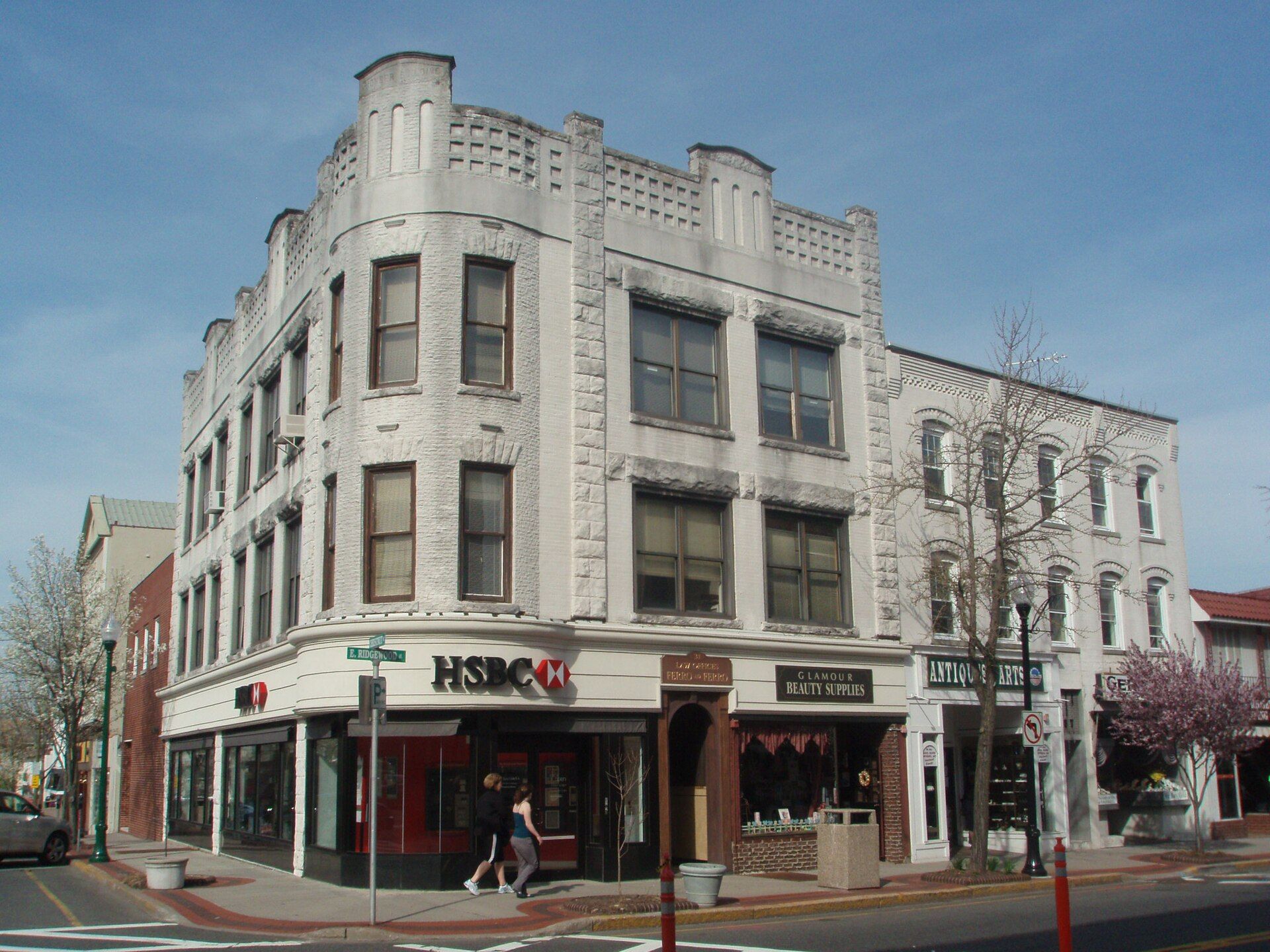 Photo: Alexisrael / Wikimedia Commons, CC BY-SA 3.0
Is Ridgewood the Right Fit?
Ridgewood works well if walkable daily life matters to you, where running errands on foot and having restaurants within walking distance genuinely shape the day. Buyers who want to review public school data can find the district's results in the NJDOE School Performance Reports.
The farmers market, recreational leagues, and downtown gatherings fill the calendar year-round. If you commute by train and have accepted that the Manhattan trip takes an hour, the NJ Transit option works. If you appreciate pre-war construction, mature trees, and streets with history, the housing here delivers.
By contrast, Ridgewood may not be the right fit if you need the lowest possible entry price, want brand-new construction, or prioritize minimizing commute time above all else.
FAQ
What is the average home price in Ridgewood NJ in 2026?
Ridgewood home prices span a wide range depending on size, location, and condition. Entry-level properties requiring work start in the high six figures, while move-in ready colonials in good locations typically fall between $1.1 million and $1.8 million. Upper Ridgewood and Heights properties with larger lots can exceed $2.5 million.
How competitive is the Ridgewood real estate market for buyers?
Ridgewood remains competitive in 2026, with well-priced homes in desirable locations often receiving multiple offers within the first week of listing. Bergen County single-family days on market averaged 71 days in September 2026 per Redfin, but Ridgewood's most sought-after listings move faster. Buyers should come pre-approved and ready to act.
How do elementary school assignments work in Ridgewood?
Each of the district's five elementary schools (Hawes, Orchard, Ridge, Somerville, and Willard) serves a defined attendance zone set by Ridgewood Public Schools. Zone maps can shift with enrollment changes, and Ridgewood is small enough that few addresses are truly far from any school. Verify school boundaries with the district before purchasing.
How long is the commute from Ridgewood to NYC?
NJ Transit trains from Ridgewood station reach Hoboken in roughly 35-40 minutes, with PATH connections to lower Manhattan adding 15-20 minutes. Door-to-door travel to Midtown via Secaucus Junction typically runs 50-65 minutes depending on final destination and connection timing. In practice, the train provides reading time and the schedule is predictable.
Are there new construction homes available in Ridgewood NJ?
New construction in Ridgewood is rare because the town is largely built out. When new homes do appear, they typically involve teardowns of older modest structures replaced with custom builds. These properties command premium prices, often exceeding $2 million, and require working with builders rather than buying from existing inventory.
What should first-time buyers know before buying in Ridgewood?
First-time buyers should secure mortgage pre-approval before touring, set realistic expectations about what entry-level prices buy here, and prepare to act quickly on well-priced listings. Most homes in Ridgewood are older construction, so budget for inspection findings and potential updates. By contrast, starting with a modest property and building equity is often a more realistic path than holding out for the perfect home.
What are property taxes like in Ridgewood NJ?
Property taxes in Ridgewood reflect Bergen County's high rates applied to substantial assessed values. Annual tax bills vary by property but often run into five figures for typical single-family homes. Always verify the actual tax bill for any specific property before making an offer, as assessed values don't track sale prices linearly.
What makes Ridgewood different from other Bergen County suburbs?
Ridgewood combines three elements that rarely appear together: a walkable downtown with genuine daily utility, direct NJ Transit rail service from the village center, and housing with architectural character. Most Bergen County towns offer one or two of these. In practice, the village center's concentration of shops, restaurants, and services creates a town-center lifestyle unusual for suburban New Jersey.