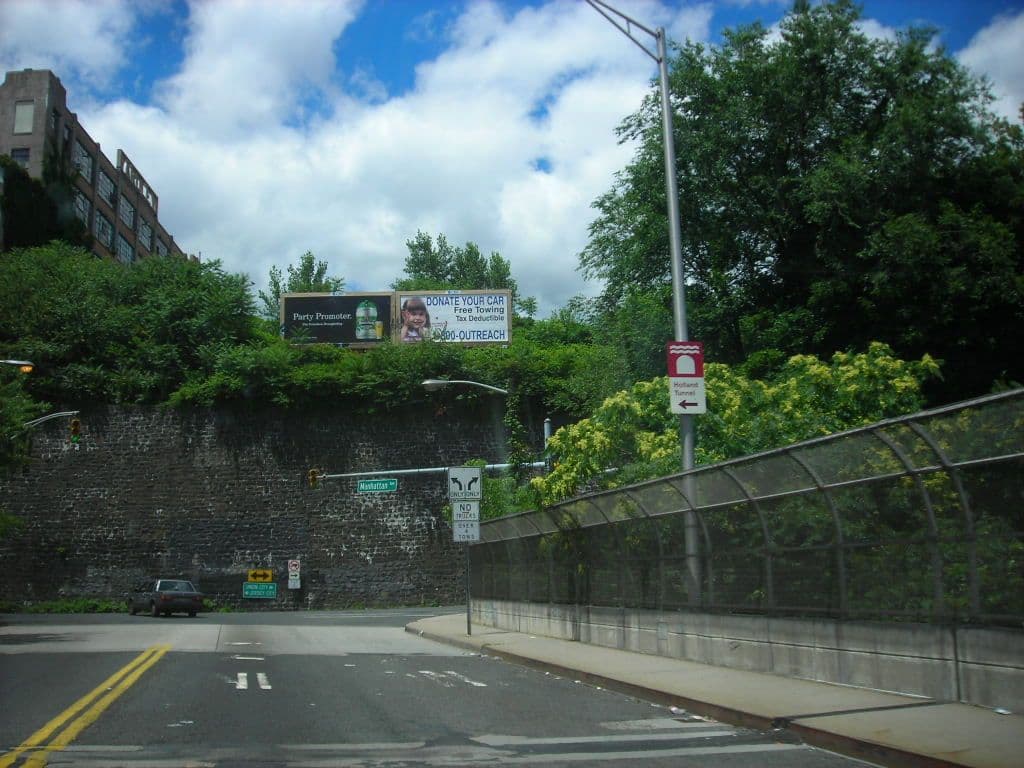
Union City NJ Real Estate Market: 2026 Comparison Guide
The Union City NJ real estate market sits at a crossroads, literally and financially. Bordered by North Bergen, West New York, Weehawken, Jersey City, and Hoboken, Union City offers Manhattan commuters similar transit infrastructure to its neighbors while delivering a different lifestyle proposition. The question is whether that density-driven experience fits what buyers actually want.
This guide compares Union City to the three markets buyers most often weigh against it: North Bergen, West New York, and Jersey City Heights. Each comparison covers price, lifestyle, and commute factors with mid-2026 data.
All four neighborhoods sit in Hudson County, where the county-wide median sale price reached $747,498 in August 2026 (up 9.1% year-over-year per Redfin). That county figure provides shared context, but the town-by-town numbers tell a more useful story.
TL;DR Comparison Table
| Factor | Union City | North Bergen | West New York | Jersey City Heights |
|---|---|---|---|---|
| 1-4 Family Avg Sale Price | $820,285 | $835,111 | $763,181 | $1,020,405 |
| 1-4 Family Days on Market | 53 | 45 | 56 | 46 |
| Condo/Townhouse Avg Sale Price | $371,879 | n/a | $623,009 | $699,133 |
| Condo/Townhouse Days on Market | 50 | n/a | 36 | 42 |
| Typical Inventory | Older walk-ups, condo conversions | Mix of single-family and multifamily | Waterfront towers plus older buildings | Brownstones and small multifamily |
| Transit to Manhattan | Bus to Port Authority; Light Rail at 48th St | Bus; Light Rail at Tonnelle Ave | Bus; Ferry at Port Imperial nearby | Light Rail; PATH at Journal Square |
| Density | Very High (66,000+ in 1.3 sq mi) | Moderate-High | High | Moderate |
| Waterfront Access | None | None | Hudson River | None |
| Commercial Spine | Bergenline Avenue | Kennedy Boulevard | Bergenline Avenue | Central Avenue |
Understanding the Union City NJ Real Estate Market in 2026
Union City competes within Hudson County's broader market dynamics. The county-wide median sale price hit $747,498 in August 2026, up 9.1% year-over-year (per Redfin). County-wide inventory reached 1,798 active listings, up 11.8% from the prior year.
Condo and townhouse inventory across Hudson County reached 1,211 active listings in August 2026, up 32.5% from the prior year. Single-family inventory stood at 211 listings, up 31.1%. That inventory expansion shifts some negotiating leverage toward buyers compared to tighter conditions in prior periods.
Union City's housing consists primarily of older walk-ups, small multifamily buildings, and condo conversions. The city's compressed geography means detached single-family homes are scarce relative to neighbors like North Bergen.
By contrast, West New York's waterfront buildings command premiums for Hudson River views. North Bergen's larger lots and lower density create a different product mix. Jersey City Heights competes with Downtown Jersey City spillover demand.
How They Compare on Price
The town-level data tells a clearer story than county averages. Union City's condo market runs substantially below its neighbors, while single-family prices cluster more tightly across the four markets.
| Market | 1-4 Family Avg Sale Price | 1-4 Family DOM | Condo/TH Avg Sale Price | Condo/TH DOM |
|---|---|---|---|---|
| Union City | $820,285 | 53 | $371,879 | 50 |
| North Bergen | $835,111 | 45 | n/a | n/a |
| West New York | $763,181 | 56 | $623,009 | 36 |
| Jersey City Heights | $1,020,405 | 46 | $699,133 | 42 |
Jersey City Heights commands the highest prices in both categories, with 1-4 family homes averaging $1,020,405 and condos averaging $699,133. The Heights benefits from Manhattan skyline views, brownstone character, and proximity to Journal Square PATH service.
West New York's waterfront access pushes condo prices to $623,009 on average, over $250,000 above Union City's $371,879. That premium reflects Hudson River views and newer construction along the Palisades.
Union City offers the lowest condo entry point at $371,879. The older building stock without doorman service or luxury amenities keeps prices accessible for buyers prioritizing location over finishes.
Single-family pricing shows less spread. West New York's 1-4 family homes average $763,181 (the lowest of the four), while Jersey City Heights tops the group at $1,020,405. Union City and North Bergen sit in the middle at $820,285 and $835,111 respectively.
Days on market reveal demand patterns. West New York condos move fastest at 36 days, suggesting strong buyer interest in waterfront inventory. Union City's 53-day average for 1-4 family homes indicates more room for negotiation.
Winner: Union City for buyers seeking value within Hudson County without waterfront premiums. Jersey City Heights for single-family selection with skyline views.
How They Compare on Lifestyle and Daily Life
Union City's density shapes daily experience. Over 66,000 residents occupy 1.3 square miles, creating the walkable urbanism some buyers want and the crowding others avoid. Bergenline Avenue functions as the commercial spine, offering Cuban, Dominican, and Colombian restaurants, bakeries, and shops stretching from 32nd Street through 49th Street.
North Bergen spreads across more land with lower density. Kennedy Boulevard anchors commercial activity, but the feel is more suburban than Union City's compressed streetscape. Buyers who want yard space or breathing room between neighbors find North Bergen more accommodating.
West New York shares Union City's Bergenline Avenue corridor but adds Hudson River access. The waterfront walkway and parks along the Palisades ridge provide outdoor amenities Union City lacks. That waterfront premium shows up in the $623,009 condo average versus Union City's $371,879.
Jersey City Heights occupies the hill above Downtown Jersey City, offering Manhattan skyline views from Riverview-Fisk Park. The neighborhood has a distinct identity from the waterfront towers downtown, with more brownstones and smaller multifamily buildings. Central Avenue provides neighborhood retail without Bergenline's scale.
Winner: Depends on priority. Union City for walkable access to Latin American cuisine on Bergenline Avenue. West New York for waterfront access. Jersey City Heights for skyline views and brownstone character. North Bergen for lower density.
How They Compare on Commute and Access
Union City has no ferry terminal and no commuter rail station within city limits. Commuters rely on NJ Transit buses to the Port Authority Bus Terminal or the Hudson-Bergen Light Rail station at Bergenline Avenue and 48th Street.
The Light Rail connects to Hoboken Terminal (for PATH transfers to Manhattan) and runs south through Jersey City to Bayonne. The 48th Street station puts much of Union City within a 10-15 minute walk of rail service.
Bus commutes to Port Authority run 20-40 minutes depending on traffic and time of day. Rush hour extends that range. Buyers who need predictable commute times should test the route during their target travel window before making offers.
North Bergen offers similar bus and Light Rail access. The Tonnelle Avenue station (northern Light Rail terminus) sits in North Bergen, giving residents one more stop option.
West New York benefits from proximity to the Weehawken (Port Imperial) ferry, which lands at West 39th Street in Midtown Manhattan. Ferry service adds a commute option Union City lacks.
Jersey City Heights provides Light Rail access via the Congress Street station, plus Journal Square PATH connections. For commuters targeting Lower Manhattan, the Heights offers more direct routing than Union City.
Winner: Jersey City Heights for commuters prioritizing speed and routing options. West New York for ferry access. Union City and North Bergen roughly equivalent for bus and Light Rail users.
How They Compare on Schools
Union City operates its own school district serving pre-K through 12th grade. Notable elementary schools include Sara M. Gilmore Academy, Jefferson Elementary School, Colin Powell Elementary School, and Roosevelt Elementary School. The New Jersey Department of Education publishes annual performance reports at the state education website, which provides objective comparison metrics.
North Bergen operates a separate district with K-12 schools. West New York likewise maintains its own district. Jersey City Heights falls within the Jersey City Public Schools district, the state's second-largest.
School quality varies by grade level and specific school within each district. Buyers with children should review the NJDOE School Performance Reports for specific schools serving their target addresses rather than relying on general town reputations.
Winner: No clear winner. Each town operates its own district with varying performance by school. Review NJDOE reports for specific schools, and visit during school hours to observe operations firsthand.
How They Compare on Inventory and What Your Money Buys
Hudson County's total inventory reached 1,798 active listings in August 2026, up 11.8% year-over-year. Condo and townhouse inventory stood at 1,211 listings (up 32.5%), while single-family inventory reached 211 listings (up 31.1%). That inventory expansion benefits buyers across all four markets being compared.
Union City's housing consists primarily of older walk-ups, small multifamily buildings, and condo conversions. Detached single-family homes are scarce given the city's compressed 1.3-square-mile geography.
The typical Union City condo buyer gets an older building without doorman service or luxury amenities, often in a converted multifamily structure. At $371,879 average, buyers accept trade-offs on finishes and amenities in exchange for location and transit access.
West New York's $623,009 condo average reflects newer waterfront construction with building amenities. Jersey City Heights' $699,133 average includes brownstone conversions and proximity to Journal Square infrastructure.
For buyers considering older multifamily properties, scheduling a property evaluation becomes essential. Brick walk-ups built in the 1920s-1950s require different due diligence than new construction.
North Bergen offers more single-family inventory spread across neighborhoods like Meadowview and New Durham. Buyers find colonials and split-levels here that don't exist in Union City's compressed geography. The $835,111 average sits just above Union City's $820,285 for 1-4 family homes.
Winner: Union City for buyers comfortable with older walk-ups and condo conversions at accessible price points. North Bergen for single-family seekers. West New York or Jersey City Heights for buyers wanting newer construction with amenities.
Investment Potential and Rental Market Dynamics
Union City's density and transit access create consistent rental demand. The city's multifamily buildings mean many properties generate rental income. Buyers considering two-family or three-family purchases can offset carrying costs with rental units while occupying one floor themselves.
Hudson County's 10-year appreciation of 106.8% and 5-year appreciation of 47.5% (per FHFA House Price Index) demonstrates the region's long-term value growth. The county-wide FHFA index reached 1,737.57 in the most recent annual reading, up 9.6% year-over-year.
Union City's lower entry points (condos averaging $371,879) can produce stronger cash-on-cash returns than higher-priced neighbors, assuming comparable rents. That said, investors should understand Union City's rent control ordinances and tenant protections before purchasing. Hudson County municipalities vary in regulatory environment; due diligence on local regulations prevents surprises.
Winner: Union City for cash flow investors seeking strong rental demand in a transit-connected location at accessible price points. Jersey City or Hoboken for appreciation-focused investors willing to pay more upfront.
Who Should Pick Union City
Buyers seeking value within Hudson County. Union City's $371,879 condo average and $820,285 single-family average offer accessible entry points compared to neighbors.
Commuters prioritizing value over commute perfection. The bus and Light Rail infrastructure works. It's not as fast or direct as PATH from Hoboken or the ferry from Port Imperial, but for buyers who weigh monthly housing costs more heavily than commute minutes, Union City delivers.
Buyers who want urban walkability on Bergenline Avenue. The commercial corridor offers dense retail, Latin American cuisine, and street-level energy that suburban-feeling areas lack. Buyers who prioritize neighborhood dining options over outdoor amenities find value here.
Investors seeking cash flow. The multifamily buildings support house-hacking strategies where owners live in one unit and rent the others. Lower acquisition costs can translate to stronger yields.
Who Should Pick a Neighboring Town
Waterfront seekers: West New York or Weehawken. Union City sits inland. Buyers who want Hudson River views, waterfront parks, or ferry access need to look west. West New York condos average $623,009, reflecting the premium for that waterfront access.
Single-family buyers with larger budgets: Jersey City Heights. The Heights commands a $1,020,405 average for 1-4 family homes but delivers brownstone character, skyline views, and better PATH access than Union City's $820,285 alternative.
Commuters to Lower Manhattan: Jersey City Heights. The PATH at Journal Square and Light Rail connections provide more direct routing to the Financial District than Union City's bus-to-Port-Authority option.
Buyers wanting new construction with amenities: West New York waterfront or Jersey City. Union City's housing skews older. Buyers expecting concierge service, fitness centers, or parking included should budget for pricier markets.
The Verdict
Union City offers Hudson County buyers a dense, transit-connected alternative without waterfront premiums. The city's $371,879 condo average and $820,285 single-family average work best for first-time buyers, value-focused commuters, and investors who prioritize cash flow and rental demand.
It works less well for buyers seeking waterfront access, single-family homes with space, or new construction amenities. The density that creates walkability also means smaller lots, older buildings, and more neighbors.
Buyers weighing Union City against neighbors should visit during commute hours, walk Bergenline Avenue from 32nd to 49th Street, and compare specific buildings rather than relying on town-level generalizations. The right block in Union City may beat the wrong block in a pricier town.
FAQ
Is Union City NJ a good place to buy a home in 2026?
Union City offers transit access and walkable urbanism at price points below waterfront neighbors. The city's condo average of $371,879 runs well under West New York's $623,009 and Jersey City Heights' $699,133. The Light Rail at 48th Street and buses to Port Authority support commuter practicality. Density is the tradeoff: 66,000 residents in 1.3 square miles.
How do Union City home prices compare to Jersey City Heights?
Union City runs substantially lower on both property types. Union City condos average $371,879 versus Jersey City Heights' $699,133. Union City 1-4 family homes average $820,285 versus the Heights' $1,020,405. The Heights commands premiums for brownstone character, skyline views, and Journal Square PATH access.
What is the average home price in Union City NJ?
Union City condos average $371,879 with 50 days on market. Union City 1-4 family homes average $820,285 with 53 days on market. These figures run below Jersey City Heights and West New York condo prices, making Union City one of Hudson County's more accessible entry points.
How long does it take to commute from Union City to Manhattan?
NJ Transit buses reach Port Authority Bus Terminal in 20-40 minutes depending on traffic. The Hudson-Bergen Light Rail at Bergenline Avenue and 48th Street connects to Hoboken Terminal for PATH transfers, adding 35-50 minutes total to Midtown. Test your specific route during target commute hours.
Are there single-family homes available in Union City?
Union City's compressed 1.3-square-mile geography limits single-family inventory. The 1-4 family average of $820,285 reflects older, smaller-lot properties. Buyers seeking larger single-family homes with yards should focus on North Bergen ($835,111 average) or Jersey City Heights ($1,020,405 average).
What makes Union City different from West New York?
West New York has Hudson River waterfront access, parks along the Palisades ridge, and proximity to the Port Imperial ferry. Union City sits inland without waterfront amenities. West New York condos average $623,009 versus Union City's $371,879. Both share Bergenline Avenue's commercial corridor for retail and dining.
Is Union City a good investment for rental property?
Union City's density creates rental demand in a transit-connected location. The $371,879 condo average offers lower acquisition costs that can translate to stronger cash-on-cash returns. Hudson County's 5-year appreciation of 47.5% (FHFA data) demonstrates regional value growth. Research rent control ordinances before purchasing.
How does Union City compare to North Bergen?
North Bergen 1-4 family homes average $835,111 with 45 days on market versus Union City's $820,285 with 53 days. North Bergen offers lower density and more single-family inventory spread across larger lots. Union City provides denser walkability along Bergenline Avenue.
If you're weighing Union City against neighboring markets and want to understand what your budget actually buys in each, a buyer property evaluation can clarify the tradeoffs for your specific priorities.
Hero photo: Dougtone / Wikimedia Commons, CC BY-SA 2.0